
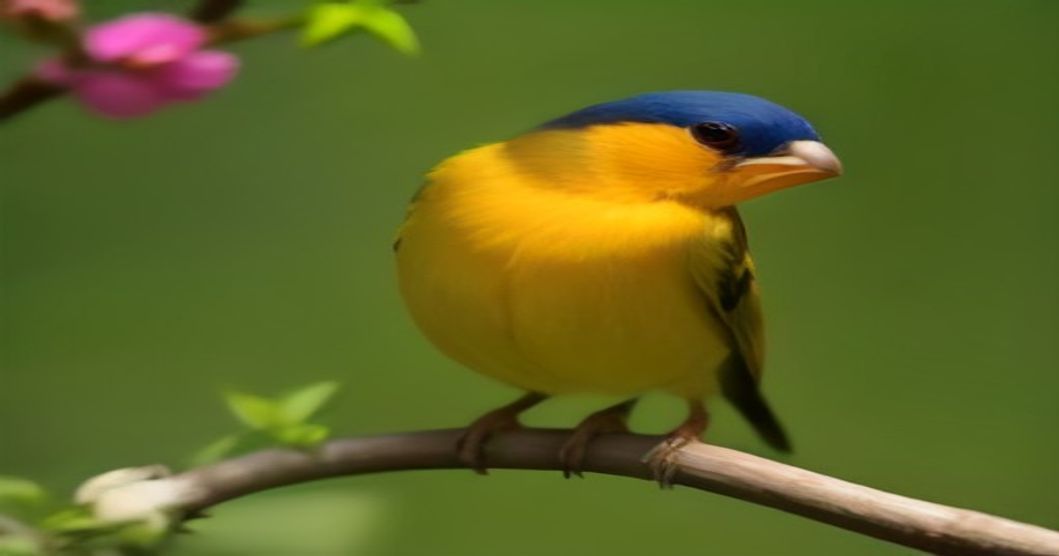
Often referred to as the ‘living rainbow’ of the avian world, the Gouldian finch (Erythrura gouldiae) is undoubtedly one of the most breathtaking songbirds on the planet. Native to the tropical savanna woodlands of northern Australia, these diminutive birds have captured the hearts of aviculturists and bird enthusiasts globally. Their dazzling array of colors and gentle demeanor make them a fascinating subject for both passionate breeders and dedicated pet owners.
A Tapestry of Colors: Sexual Dimorphism and Variations
The most striking feature of the Gouldian finch is its brilliant plumage, which features vivid shades of green, yellow, purple, blue, and red. In nature, these finches occur in three distinct head-color morphs: black-headed, red-headed, and the far rarer yellow/orange-headed morph. Like many avian species, Gouldian finches exhibit prominent sexual dimorphism. Males possess significantly more vibrant and saturated colors—most notably a rich purple breast and brilliant yellow abdomen—which play a crucial role in courtship displays and mate selection. Females, while sharing the same breathtaking color mapping, display softer, pastel-toned versions of these hues.
Avicultural Appeal and Conservation Status
Due to their unparalleled aesthetic beauty, Gouldian finches became highly sought after by aviculturists worldwide during the 20th century. However, wild populations faced drastic declines due to habitat degradation, altered fire regimes, and susceptibility to air sac mites. While wild populations are now protected under Australian law and categorized as Near Threatened, captive breeding programs led by knowledgeable aviculturists have flourished. Today, these managed populations ensure that the species remains accessible to aviculture while reducing pressure on wild stocks.
Veterinary Care and Housing Considerations
While Gouldian finches are generally hardy once established, they have specific environmental and nutritional requirements that every caregiver must understand. Unlike larger parrots, finches require horizontal space rather than height, as they rely on continuous flight for physical exercise. Provide a spacious flight cage equipped with natural wood perches of varying diameters to promote foot health.
Temperature regulation is critical when caring for Gouldian finches. Originating from warm Australian climates, they are particularly sensitive to drafts, sudden temperature drops, and excessive humidity. Maintaining an ambient environment between 70°F and 80°F (21°C to 27°C) is ideal. Additionally, a balanced diet consisting of high-quality seed mixtures, soaked seeds, fresh leafy greens, and a reliable calcium source (such as cuttlebone) is essential for maintaining their vibrant feathers and supporting egg production during the breeding season.
Conclusion
The Gouldian finch stands as a true masterpiece of nature. Whether appreciated in the wild savannas of northern Australia or cared for within a well-maintained home aviary, providing these magnificent birds with proper care, balanced nutrition, and an enriched environment ensures they will continue to thrive and enchant bird lovers for generations to come.