
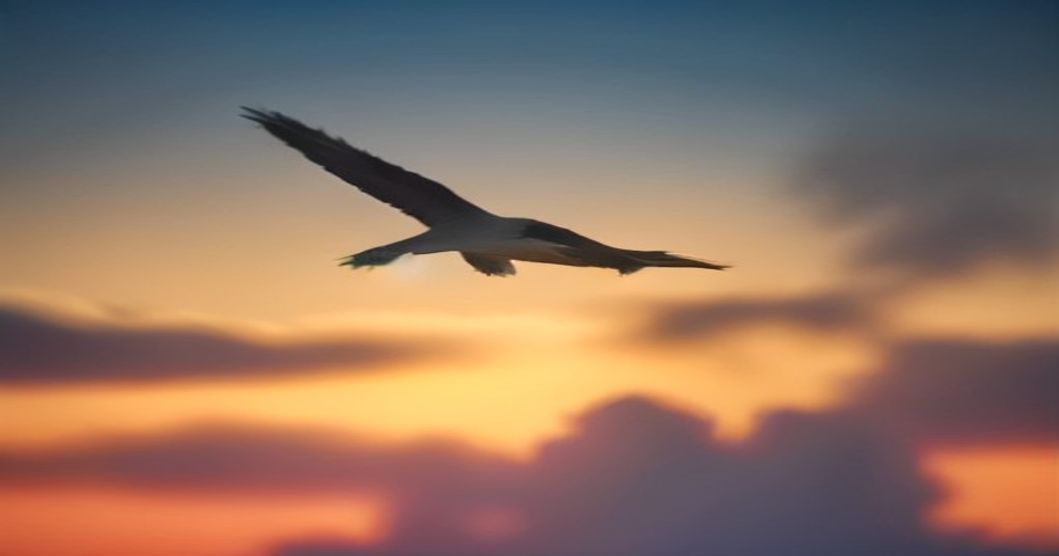
When we think of avian wonders, few species capture the imagination quite like the swift. These extraordinary birds spend the vast majority of their lives completely airborne, showcasing a level of aerial mastery that is unmatched in the animal kingdom. From sleeping on the wing to sustaining flight for nearly a year straight, swifts represent one of nature’s most impressive evolutionary marvels.
Anatomy Built for Endless Flight
The secret to the swift’s remarkable lifestyle lies in its unique physiology. Their bodies are streamlined for aerodynamic efficiency, and their wings are specially adapted for long, sustained flights rather than agile, flapping maneuvers. Because their legs are extremely short and weak—an adaptation that helps them cling to vertical surfaces like cliffs and chimneys rather than walking on the ground—swifts face a distinct physical limitation: they cannot take off from a flat, horizontal surface. In fact, a swift on the ground is generally unable to launch itself into the air without a drop from a height or a gentle human toss to catch the wind.
Life on the Wing: Sleeping, Eating, and Migrating
Perhaps the most astonishing fact about swifts is their ability to perform vital life functions while airborne. Swifts eat, drink, mate, and even sleep while flying. During sleep, they glide at high altitudes, engaging in a form of unihemispheric slow-wave sleep or resting their brains in short bursts while maintaining forward momentum. Capable of reaching incredible speeds of up to 110 miles per hour, these birds can remain in the air continuously for up to 10 months at a time without ever touching land, descending only when it is time to breed and raise their young.
Conservation and Human Interaction
As wildlife veterinarians and pet care advocates, understanding avian species like swifts reminds us of the incredible diversity of animal life and the specialized needs of different species. Because of their unique takeoff requirements, if you ever encounter a swift grounded on a flat surface, it may simply need a safe, gentle launch from an open, elevated space to resume its magnificent journey through the skies. Protecting their natural nesting habitats in urban and rural environments ensures that these high-flying acrobats will continue to grace our skies for generations to come.