
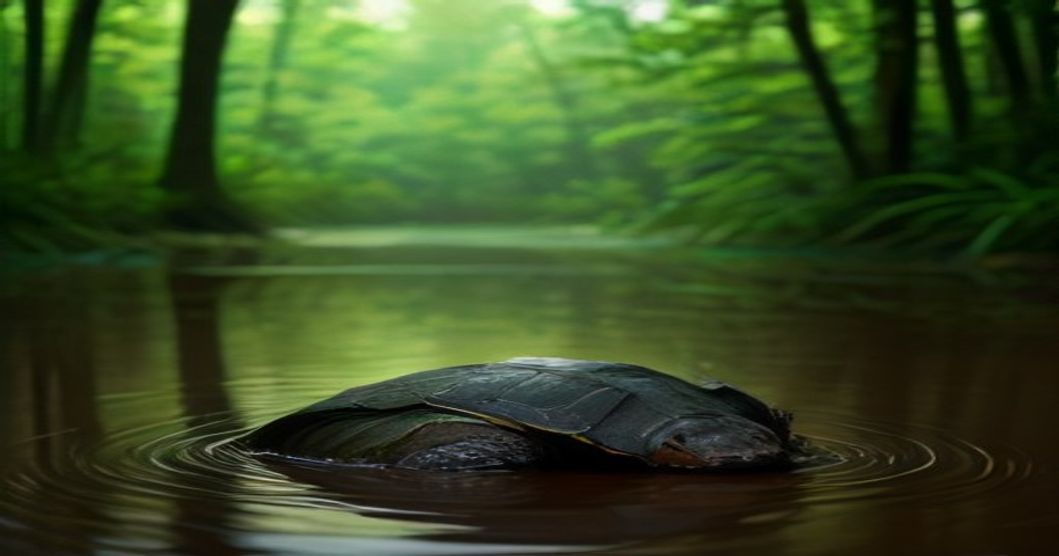
Introduction to Chelydra Serpentina
The common snapping turtle (Chelydra serpentina) is one of North America’s most iconic and ancient reptile species. Renowned for its prehistoric appearance and formidable reputation, this freshwater giant earns its common name from its aggressive defensive strategy when caught or cornered on land. From a veterinary and ecological perspective, understanding the physiological adaptations and behavioral nuances of this species offers fascinating insights into reptilian survival.
Physical Characteristics and Defensive Mechanisms
Snapping turtles are impressive in scale, routinely reaching carapace lengths of up to 35 cm and typically weighing around 14 kg, with exceptional giant specimens reaching up to 30 kg. Unlike many other turtle species that rely on fully retracting into their shells for safety, the snapping turtle has a significantly reduced plastron (undershell). To compensate for this anatomical vulnerability, evolution has equipped them with an extraordinary defense system: a long, snake-like neck paired with powerful, beak-like jaws. When threatened outside their aquatic refuge, they defend themselves by rapidly extending their neck and delivering a sharp, force-filled bite.
Cold Resistance and Winter Brumation
One of the most astonishing physiological feats of Chelydra serpentina is its remarkable tolerance to freezing environments. During the harsh winter months, these reptiles undergo brumation, a form of dormancy, by submerging themselves in the soft mud at the bottom of ponds, lakes, and slow-moving streams. In colder northern regions, this overwintering period can span from October all the way through May. Uniquely cold-hardy, snapping turtles can occasionally be observed moving sluggishly beneath thick lake ice or even walking across frozen surfaces during mid-winter thaws.
Ecological Significance and Safety Considerations
In their natural aquatic habitats, snapping turtles are far less aggressive than their terrestrial encounters suggest, typically preferring to swim away from disturbances. They fulfill an essential ecological role as scavengers and opportunistic predators, helping keep aquatic ecosystems clean and balanced. Whether assisting a displaced turtle across a road or observing them in wild wetlands, always maintain a safe distance from their powerful jaws and respect these resilient living fossils.