
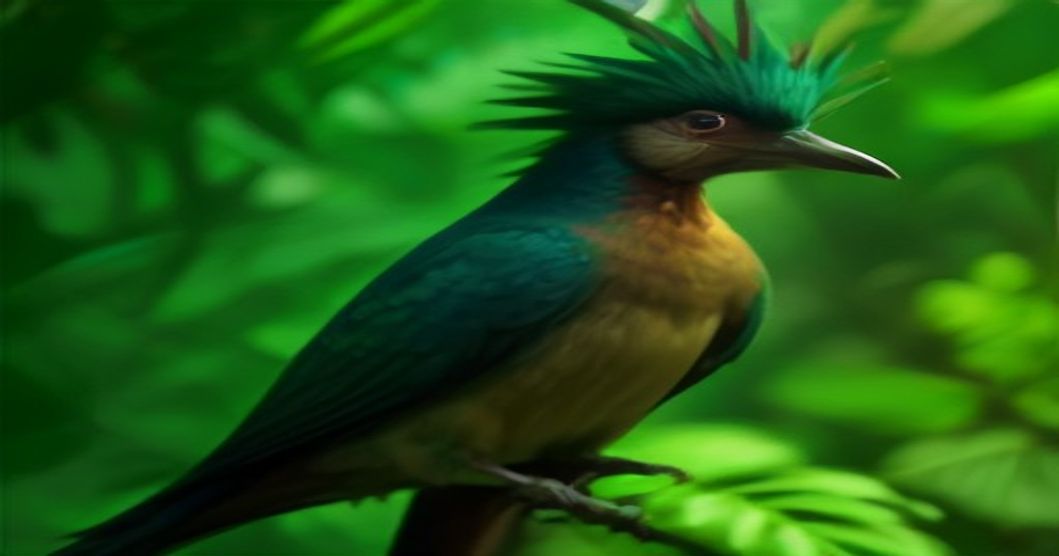
When it comes to avian beauty, few species capture the imagination quite like the Guinea Turaco (Tauraco persa). As a professional veterinarian and avian enthusiast, I am continually captivated by the unique physiology and striking appearance of this remarkable bird. Belonging to the turaco family, the Guinea Turaco is an arboreal specialist, spending the vast majority of its life high in the forest canopy. These crested birds rarely descend to the forest floor, typically only doing so to drink fresh water.
Physical Characteristics and Unique Plumage
Measuring approximately 40 centimeters in length, the Guinea Turaco maintains a surprisingly lightweight frame of just 250 to 300 grams. Despite their modest weight, their striking crown of feathers and vibrant coloration make them appear remarkably regal. One of the most fascinating scientific facts about turacos is their coloration: unlike most birds that derive their colors from chemical pigments, the brilliant green and blue hues of the turaco are the result of structural coloration. This mesmerizing phenomenon occurs due to the unique light refraction within the microscopic structure of their feathers.
Behavior and Locomotion
In terms of mobility, the Guinea Turaco is not built for long-distance soaring. Instead of being strong fliers, they are exceptional acrobats of the treetops. They prefer to navigate their dense jungle habitats by expertly running and climbing from branch to branch, using their agile frames and strong legs to move swiftly through the foliage.
Nutritional Needs and Natural Diet
Understanding the dietary requirements of exotic birds is crucial for optimal health and longevity. In the wild, the Guinea Turaco is primarily frugivorous, feeding on a wide variety of tropical fruits including dates, wild figs, musangi, ficus, macarangas, rauwolfia, cissus, and nightshade berries. In addition to a fruit-heavy diet, these birds naturally supplement their nutrition by consuming fresh flowers and tender buds. For captive care, replicating this high-fruit, low-iron diet is essential to prevent common nutritional disorders and ensure these magnificent creatures thrive in human care.