
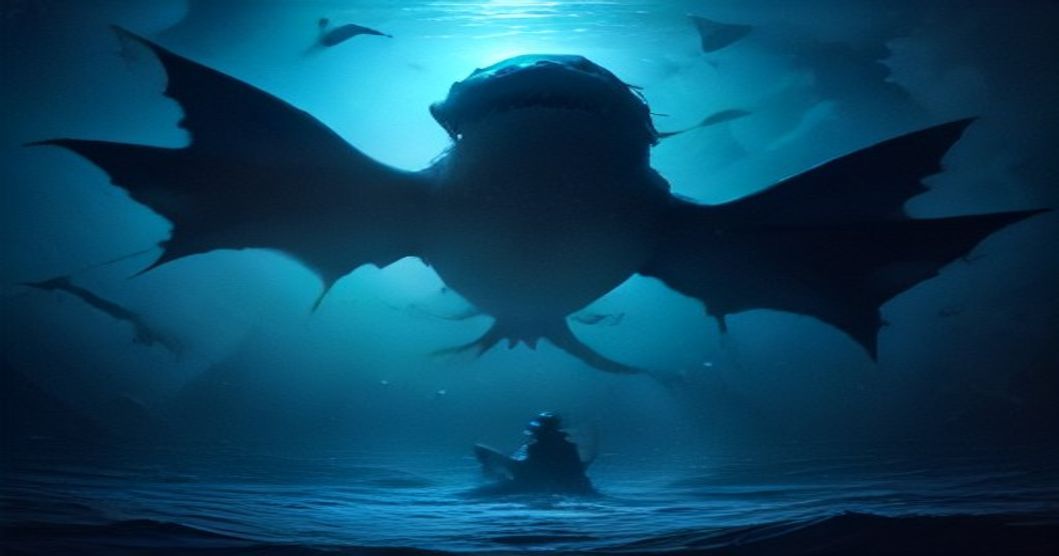
An Ancient Lineage from the Abyssal Depths
Deep beneath the ocean surface, at depths exceeding 2.5 kilometers, lies an environment defined by crushing pressure and total darkness. Inhabiting this extreme realm is Chimaera monstrosa, commonly known as the ghost shark or rabbitfish. Approximately 400 million years ago, the evolutionary paths of modern sharks and chimaeras diverged. While sharks adapted to hunt in upper water columns, chimaeras retreated to the deep sea, undergoing millions of years of specialized evolution to thrive in one of the planet’s most inhospitable habitats.
Tactile Mastery Over High Speed
In the abyssal darkness, explosive swimming speed is far less advantageous than the ability to detect subtle movements. Unlike many deep-sea organisms that rely on bioluminescence to lure prey, the chimaera employs a highly developed lateral line system. This sensitive sensory network detects minute mechanical vibrations and pressure changes in the water. Coupled with specialized electroreceptors, Chimaera monstrosa can pinpoint crustaceans and benthic organisms buried beneath the sea floor without relying on visual cues.
Defense in the Darkness
Living in the deep ocean presents unique predatory threats, necessitating effective defensive mechanisms. The chimaera is equipped with a sharp, venomous spine positioned anterior to its first dorsal fin. This spine delivers a mild toxin, serving as a formidable deterrent against larger deep-sea predators. With its large, reflective eyes optimized for faint light, cartilaginous skeleton, and distinctive wing-like pectoral fins, the chimaera stands as an extraordinary testament to marine adaptation and resilience.