
Discovering Australia’s Miniature Beach Armies
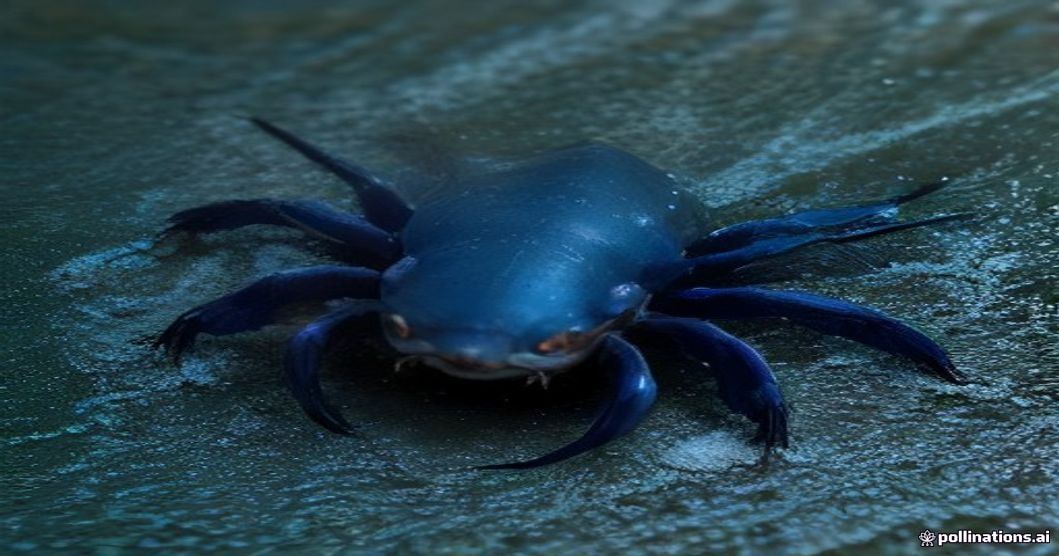
As the tide recedes along the picturesque shores of Australia, a remarkable natural phenomenon begins to unfold. Stretching across the damp sand, mysterious small mounds begin to appear and grow in size. Suddenly, hundreds of vibrant, blue-backed crabs with striking white claws emerge from the earth to embark on a synchronized coastal adventure. These are the Mictyris longicarpus crabs, affectionately known as soldier crabs.
Anatomy and Behavior of the Soldier Crab
Measuring a mere 2.5 centimeters in length, these tiny crustaceans pack an incredible amount of fascinating biology into their small frames. Unlike many other crab species that scuttle sideways, soldier crabs possess a unique physiological adaptation that allows them to march forward like a tiny military regiment. Operating as a unified colony, these troops scour the wet sand during a strictly timed two-hour low-tide window, feeding on the rich organic matter left behind by the ocean.
Ecological Importance and Feeding Habits
During their brief yet active surface marches, soldier crabs play a vital role in the coastal ecosystem. They function as natural filters, sifting through the microorganism-rich surface sand to extract vital nutrients before rolling the remaining clean sand into tiny pellets. For animal behaviorists and marine enthusiasts alike, observing these miniature marvels highlights the incredible diversity of coastal wildlife and the complex behaviors developed by small species to thrive in dynamic intertidal zones.