
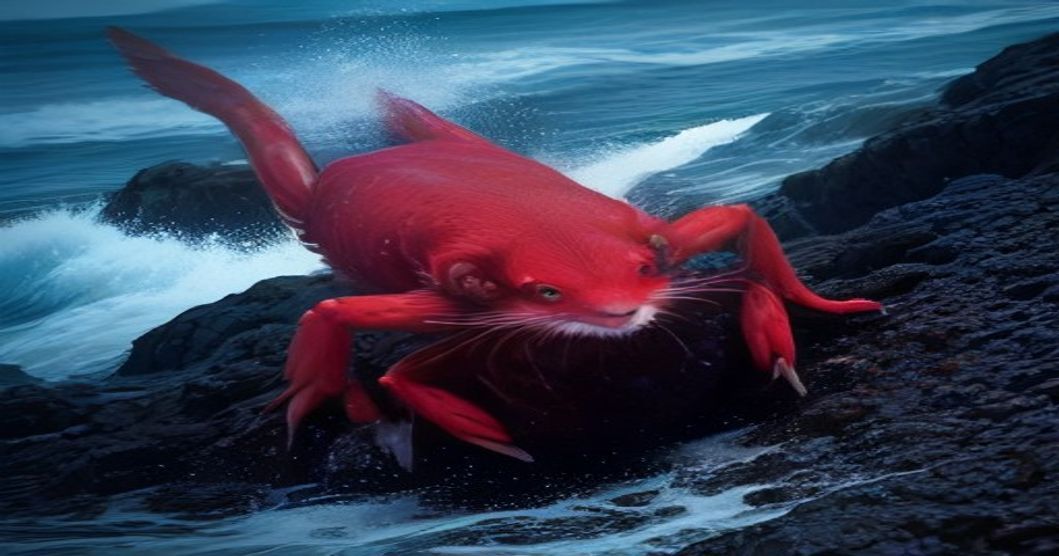
Fascinating Coastal Dynamics of the Galapagos
When we think of the pristine and wild Galapagos Islands, we often picture giant tortoises and marine iguanas. However, the intertidal zones host some of the most dramatic predator-prey interactions in the animal kingdom. Among the most iconic residents of these volcanic shores is the vibrant Grapsus grapsus, universally known as the Sally Lightfoot crab.
Meet the Sally Lightfoot Crab
True to their English moniker, these crustaceans are renowned for their astonishing agility and speed. Locals affectionately named them after a famous Caribbean dancer due to their remarkable ability to leap from rock to rock, scale nearly vertical basalt cliffs, and outmaneuver danger with breathtaking precision. Their brilliant red, orange, and yellow carapaces make them a stunning visual feature against the dark volcanic backdrop.
Unusual Predators on the Hunt
Life in the intertidal zone is far from easy. These crabs must constantly remain vigilant, as their survival depends on avoiding the crashing waves and cunning predators. In a rare display of interspecies cooperation, the Echidna catenata (chain moray eel) and local octopuses have been observed hunting in tandem, occasionally venturing onto damp rocks to ambush unwary prey. For the Sally Lightfoot, a momentary lapse in concentration can mean the difference between life and death in this high-stakes coastal thriller.