
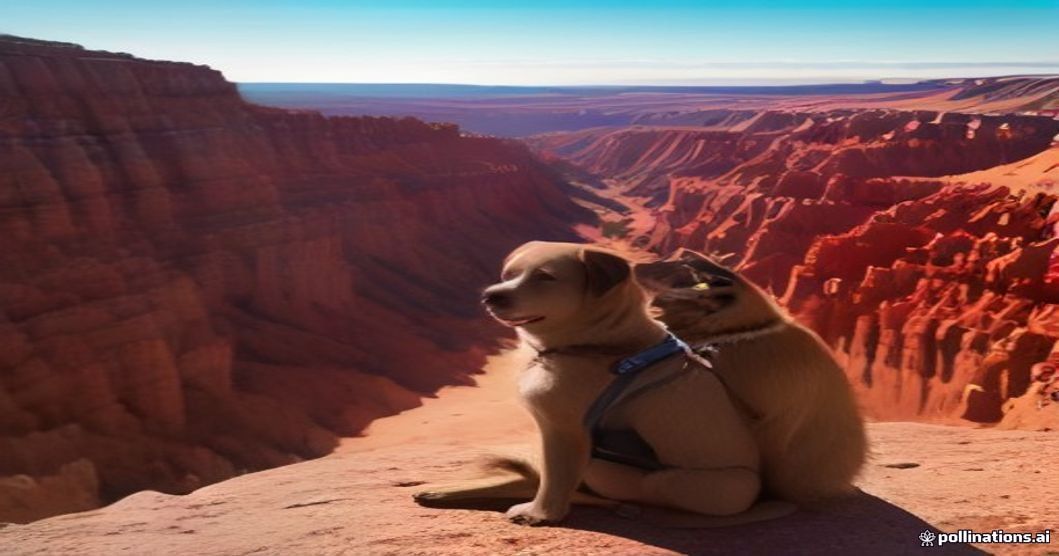
With its dramatic amphitheaters of crimson hoodoos and sweeping vistas, Bryce Canyon National Park in southwestern Utah is an iconic American destination. Many pet parents dream of bringing their canine companions along for the adventure. However, exploring this high-altitude, desert wilderness presents distinct physiological and environmental challenges for animals. As a veterinarian, ensuring your pet remains healthy, hydrated, and safe amidst the elements requires thorough preparation and an understanding of both biological risks and local park regulations.
Navigating Park Regulations and Canine Boundaries
Before packing the leash, it is crucial to recognize that national parks are conservation zones designed to protect native flora and fauna. At Bryce Canyon, pets are restricted for their own safety and the preservation of natural habitats. Dogs are allowed on paved surfaces only, including the paved sections between Sunset Point and Sunrise Point along the Rim Trail, paved viewpoints, campgrounds, and along park roads. Dogs are strictly prohibited on all dirt trails that descend into the canyon amphitheater. Steep drop-offs, loose scree, and fragile ecosystem balance make the canyon floor unsafe for pets. Honoring these boundaries prevents tragic falls, protects wildlife, and keeps your pet within rapid reach of medical help.
The Dual Threat: Extreme Elevation and Arid Dehydration
Bryce Canyon sits at an impressive elevation ranging between 8,000 and 9,100 feet above sea level. This high altitude brings thin air, reduced oxygen availability, and very low humidity. Pets experience altitude sickness much like humans do. Symptoms of acute mountain sickness in dogs include lethargy, excessive panting, dry coughing, loss of appetite, and dizziness. Additionally, dry mountain air accelerates respiratory moisture loss, dramatically increasing the risk of dehydration. Always allow your dog 24 to 48 hours to acclimate to higher altitudes before engaging in prolonged walks. Carry abundant fresh water—never rely on natural runoff—and offer frequent hydration breaks every 20 to 30 minutes, even if your dog does not outwardly solicit water.
Paw Protection Against Abrasive Sandstone and Heat
The geological formations that make Bryce Canyon so picturesque can be remarkably punishing on canine paw pads. Weathered sandstone, fractured limestone, and hot asphalt act like sandpaper on unprotected footpads, leading to micro-abrasions, blisters, and painful lacerations. During late spring through summer, ambient temperatures might feel mild due to the mountain breeze, but direct solar radiation can heat paved paths to temperatures exceeding 130 degrees Fahrenheit, causing rapid second-degree burns. Perform the seven-second hand test on the ground before walking: if it is too hot for your palm, it is too hot for your pet’s paws. Investing in breathable, rugged dog booties and applying protective paw wax can prevent debilitating injuries.
Wildlife Encounters and Disease Vectors
Bryce Canyon’s high-desert ecosystem supports diverse wildlife, including prairie dogs, mule deer, coyotes, and venomous Great Basin rattlesnakes. Prairie dog colonies are fascinating to watch, but they are known reservoirs for the bacterium Yersinia pestis, which causes plague and is transmitted by fleas. Never allow your dog to sniff around rodent burrows or chase small mammals. Ensure your pet is on a strict veterinary-grade flea, tick, and heartworm preventative prior to arrival. Keep your dog on a non-retractable, six-foot leash at all times to maintain absolute control should a sudden wildlife encounter occur.
Veterinary Travel Checklist for High-Desert Excursions
A well-prepared travel kit ensures minor incidents do not turn into major medical emergencies. Pack a dedicated pet first-aid kit containing sterile saline solution for flushing eyes and cuts, self-adherent bandages (Vetrap), tweezers for removing splinters or desert burrs, styptic powder, and pet-safe antiseptic wipes. Bring collapsible silicone bowls, an emergency canine carrier sling, copies of current vaccination records, and the contact information for the nearest 24-hour veterinary emergency hospital in Cedar City or St. George, Utah. By respecting the environment and planning proactively for the climate, you and your dog can enjoy an unforgettable journey along the rim of Bryce Canyon.