
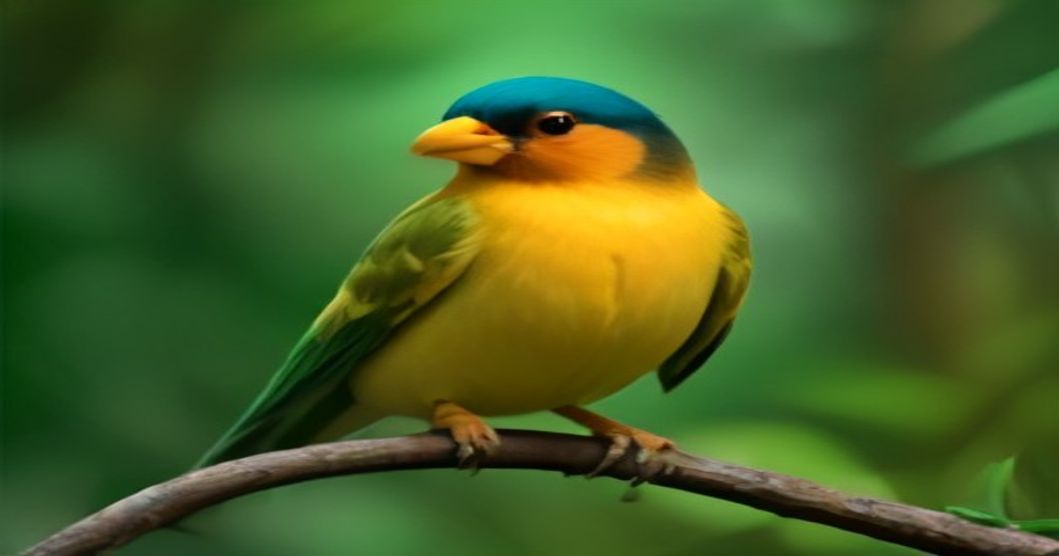
Introduction to the Gouldian Finch
The Gouldian Finch (Erythrura gouldiae), a stunning member of the weaver finch family, is native to the picturesque landscapes of northern Australia. Renowned for their breathtakingly vibrant plumage, these birds are often considered one of the most visually striking avian species in the world. As a veterinarian and pet care expert, I often find that their beauty captures the hearts of bird enthusiasts globally, though their care requires a deep understanding of their unique natural history and health needs.
A Fascinating History and Discovery
This magnificent species was first discovered by the renowned British naturalist and animal painter John Gould during his expeditions in Australia. Moved by the sudden passing of his beloved wife, Elizabeth Gould, who had courageously accompanied him on these arduous journeys and tragically died soon after, John named the bird ‘Lady Gould’s Amadine’ in her honor. Today, however, they are universally celebrated as Gouldian Finches.
The Mystery of the Head Color Morphs
One of the most intriguing biological features of the Gouldian Finch is the polymorphism found in the coloration of the top of their heads. In the wild, black-, red-, and yellow-headed variants naturally occur. Within a single population, it is common to find two, and rarely three, of these different color morphs freely interbreeding. Because they interbreed without restriction, it is genetically impossible to classify them as separate subspecies, making them a fascinating subject for avian geneticists and breeders alike.
Conservation Status and Aviculture
Despite their popularity in aviculture, the wild populations of Gouldian Finches have faced severe declines in their Australian homeland. Due to habitat loss, changing fire regimes, and introduced parasites, the International Union for Conservation of Nature (IUCN) classifies the species as endangered. Fortunately, captive breeding programs worldwide have successfully maintained healthy populations. Keeping them as decorative cage or aviary birds requires meticulous attention to their dietary needs, climate control, and stress reduction, ensuring that these fragile jewels thrive under human care.