
Introduction to the Aerial Marvels
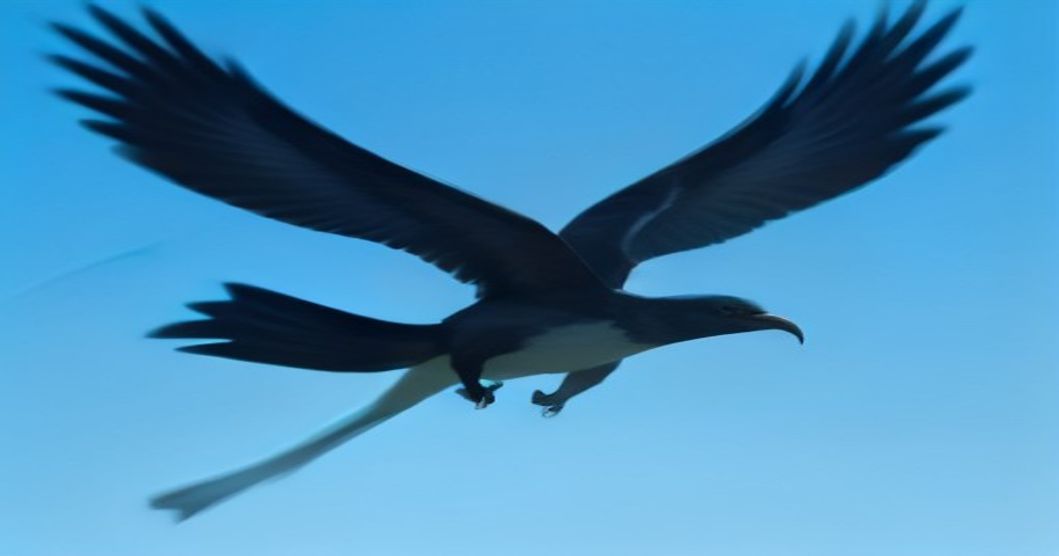
As a veterinarian and avian enthusiast, I am constantly amazed by the incredible adaptations found in the animal kingdom. Among the most extraordinary are swifts—aerodynamic champions that have evolved to spend the vast majority of their lives completely airborne. From sleeping on the wing to shattering speed records, these birds are truly wonders of avian engineering.
Anatomical Adaptations for Life in the Air
Swifts possess uniquely shaped wings and remarkably lightweight skeletons designed for long, sustained flights. Because their legs have evolved to be extremely short and weak—adapted primarily for clinging to vertical surfaces like cliff faces or chimney walls rather than perching on branches or walking on the ground—swifts face a distinct physical limitation. In fact, a healthy swift cannot take off from a flat, horizontal surface. If grounded, they lack the vertical clearance and leg power to launch themselves, often requiring a gentle toss into the open air by a compassionate human to resume flight.
Record-Breaking Endurance and Behavior
The endurance of swifts is nothing short of legendary. These remarkable creatures can reach blistering speeds of up to 110 miles per hour. Even more astounding is their ability to remain airborne for up to ten consecutive months without ever landing, during which time they feed, mate, and even sleep while gliding on air currents. By engaging in slow-wave sleep while airborne, they manage the physiological demands of rest without touching the ground.
How to Help a Grounded Swift
Understanding these unique physiology traits is vital for animal welfare. If you ever encounter a swift on the ground, it is likely not a fledgling learning to fly, but an adult that has fallen or been blown down by a storm and cannot launch itself. When rescuing a swift, never toss it upward; instead, gently place it on an open palm held aloft in a safe, open area away from predators, allowing the bird to catch the wind and glide away safely on its own terms.