
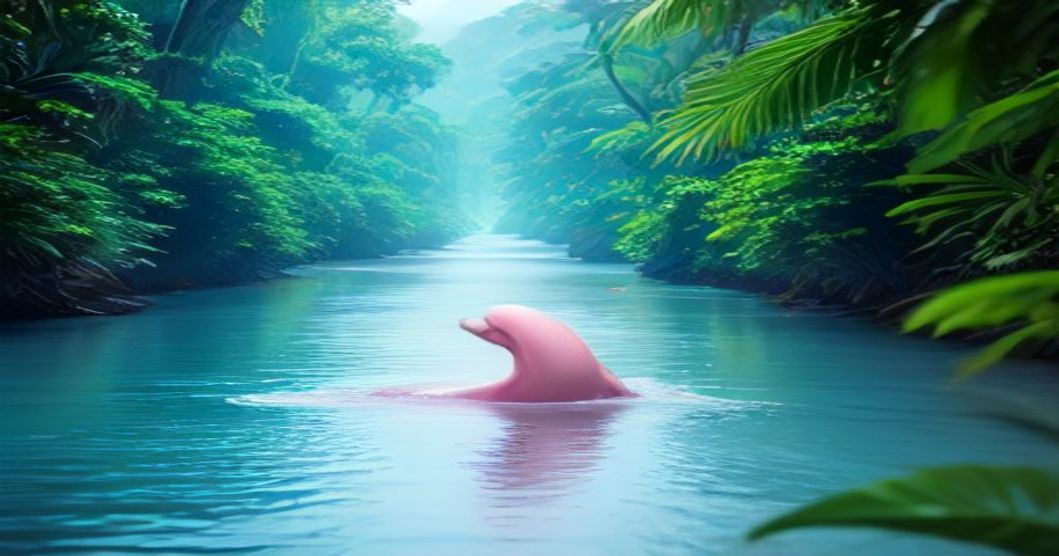
Discovering the Boto: The Majestic Amazon River Dolphin
Deep within the winding waterways of the Amazon basin dwells one of the most mesmerizing and enigmatic creatures in the aquatic world: Inia geoffrensis, commonly known as the boto, or Amazon river dolphin. Unlike their marine counterparts, these freshwater cetaceans have evolved unique physiological and behavioral adaptations to navigate the flooded forests and murky river systems they call home.
From Gray to Pink: The Unique Biology of River Dolphins
One of the most captivating aspects of the boto is their changing appearance. Born a subtle, unassuming light gray, these fascinating mammals undergo a remarkable transformation as they mature—particularly the males—turning striking shades of pink. Contrary to popular belief, this iconic coloration is not due to albinism, but rather a combination of age, wear-and-tear on their skin from navigating abrasive riverbeds, and a high concentration of capillaries near the surface of their skin.
The Giants of the Freshwater World
While river dolphins are exceptionally rare—with only four surviving species found across the globe in the Amazon, Ganges, Indus, and Rio de la Plata river systems—the Amazonian species reigns supreme as the largest of them all. Fully grown adults can reach impressive lengths of up to 3 meters (nearly 10 feet) and weigh a staggering 200 kilograms (approximately 440 pounds).
Courtship and Rituals: The Mating Dance of the Boto
The social lives of botos are just as intriguing as their physical traits. During the mating season, male Amazon river dolphins engage in a remarkably sophisticated courtship ritual. To attract prospective mates and intimidate potential rivals, males perform an elaborate aquatic dance, spinning gracefully through the water while holding pieces of vegetation or wood in their mouths.