
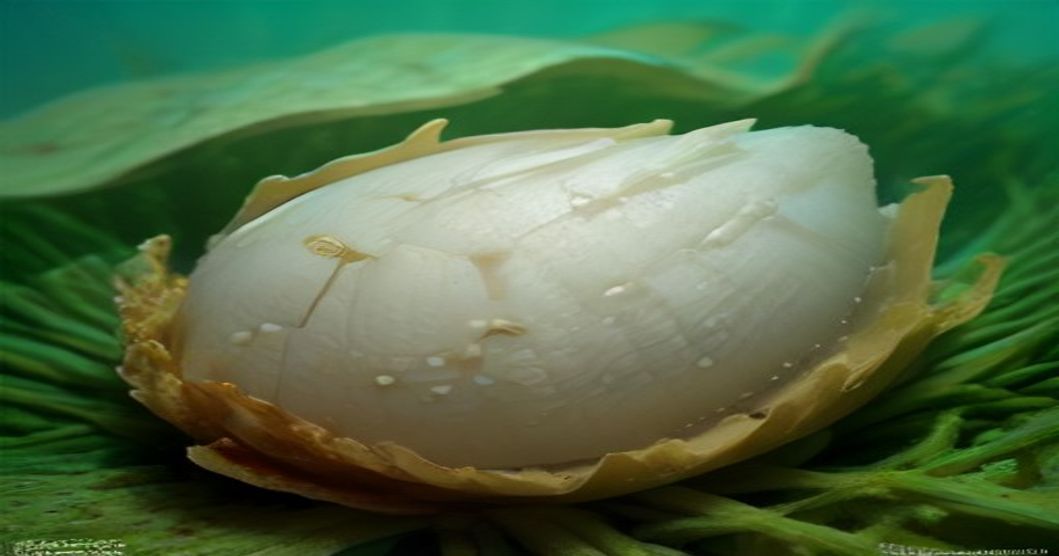
Introduction to Strombus alatus
The ocean is home to countless bizarre and captivating creatures, but few marine invertebrates possess as much personality as the Florida Fighting Conch (Strombus alatus). Known for its distinct shell and surprisingly expressive appearance, this medium-sized sea snail is a favorite among marine biologists, beachcombers, and reef aquarium enthusiasts alike.
Unique Behavioral Adaptations and Defense
Despite its aggressive-sounding name, the Florida Fighting Conch is a peaceful herbivore. It earned the moniker “fighting conch” from its unique self-defense mechanism. When threatened, the conch uses its modified foot, equipped with a sharp, sickle-shaped operculum, to thrust and wave at predators—much like a skilled fencer wielding a sword. This sudden motion can startle potential attackers and allow the conch to flick itself across the sandy sea floor to safety.
Anatomy and Physical Characteristics
Reaching sizes of up to 12 centimeters in length, Strombus alatus boasts a heavy, conical shell with short spines along its whorls. One of its most distinctive physical features is the specialized stromboid notch near the opening of the shell. This indentation allows the conch to extend its long, flexible eye stalks and peek out at its surroundings without exposing its soft body to danger. These curious, well-developed eyes give the snail a surprisingly charming and expressive face.
Habitat, Diet, and Lifespan
In the wild, Florida Fighting Conches inhabit shallow waters, sandy ocean bottoms, and lush seagrass beds at depths up to 25 meters throughout the Western Atlantic and Gulf of Mexico. They play a vital ecological role as substrate cleaners, consuming benthic microalgae, detritus, and film algae. With proper environmental conditions and a steady food supply, these fascinating mollusks enjoy a lifespan of 5 to 7 years, making them both an important wild species and a valuable addition to marine aquarium cleanup crews.