
Introduction to the Leaf Butterfly
In the lush, vibrant ecosystems of Southeast Asia, nature has perfected the art of deception. Among the most astonishing examples of evolutionary mimicry is the Kallima inachus, commonly known as the Orange Oakleaf or Indian Oakleaf butterfly. Found thriving across southern China, Thailand, Laos, Taiwan, and Vietnam, this remarkable insect is a true marvel of the natural world.
The Incredible Camouflage of Kallima Inachus
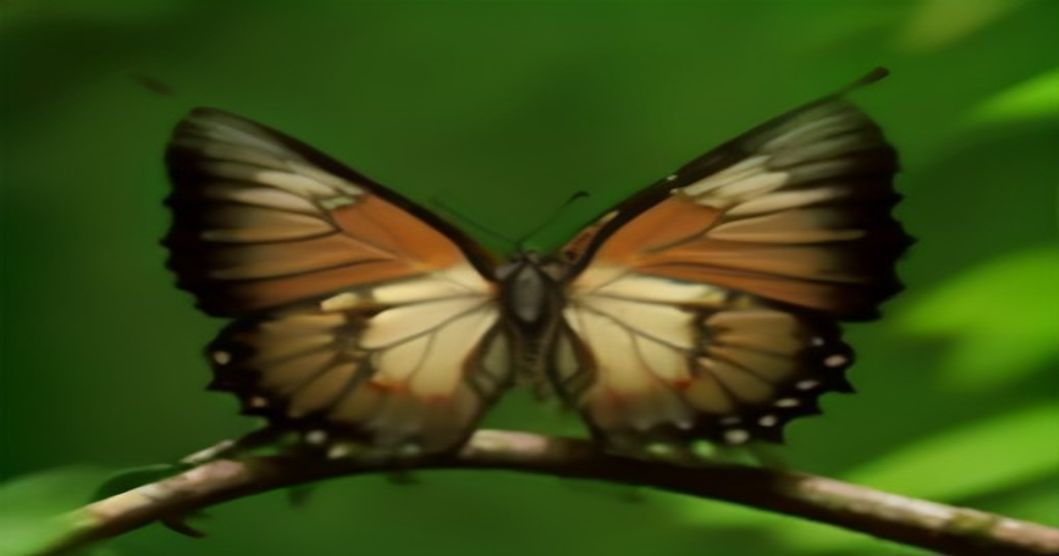
When the Kallima inachus spreads its wings, it reveals a dazzling display of vibrant orange, deep blue, and black hues. However, the moment it perches and closes its wings, it undergoes a breathtaking transformation. The underside of its wings mimics a dead, decaying leaf with astonishing precision. Complete with vein-like patterns, spots that resemble fungal infections or decay, and even a simulated leaf stem (the tail of the hindwing), it becomes virtually indistinguishable from actual foliage.
Fun Fact: Fooling Nature’s Best Hunters
The Kallima inachus butterfly’s remarkable mimicry is so effective that it can even fool birds, its primary predators, into thinking it’s just a part of the foliage! By blending seamlessly into its background, this delicate creature can completely vanish from sight, frustrating hungry insectivores and showcasing one of the most effective survival strategies in the animal kingdom.
Conservation and Habitat
These fascinating butterflies rely heavily on the dense forests and subtropical regions of their native range. Preserving these rich habitats is crucial not only for the Kallima inachus but for the countless other species that make up these complex, biodiverse ecosystems. Understanding and appreciating these incredible adaptations reminds us of the endless wonders found in our global wildlife.