
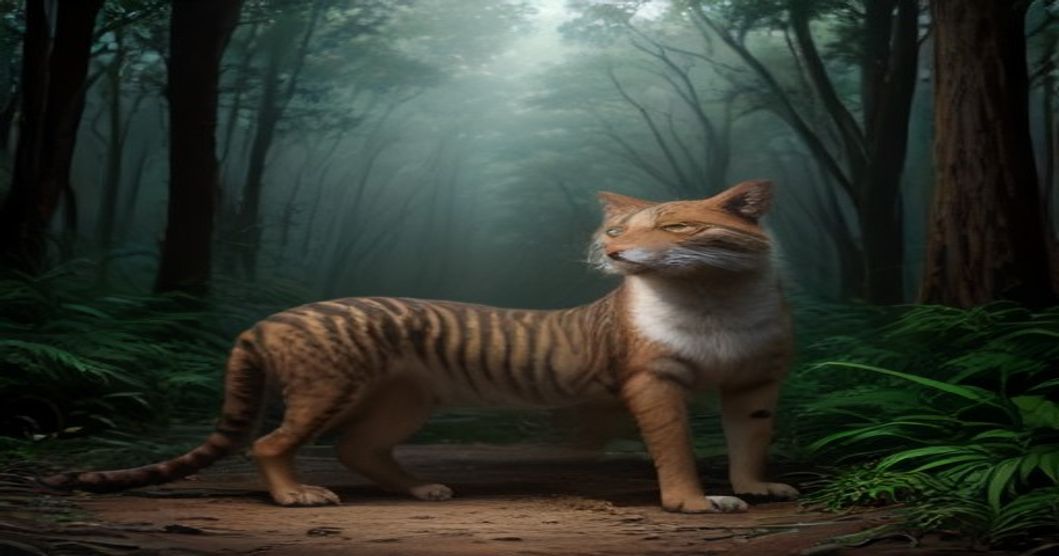
Introduction to the Thylacine
The Tasmanian Tiger, scientifically known as Thylacinus cynocephalus, holds the solemn distinction of being the largest known carnivorous marsupial of modern times. Once reigning as the apex predator of Australia, this magnificent and elusive creature captured the imagination of naturalists and wildlife enthusiasts alike.
Evolutionary Marvel and Misnomer
Despite its common name and striking resemblance to a dog or wolf, the Tasmanian Tiger was not a canine at all. It is one of the most fascinating examples of convergent evolution in the animal kingdom; although distantly related to kangaroos and koalas, it evolved strikingly similar skeletal structures, teeth, and hunting behaviors to placental wolves. As a marsupial, females possessed a backward-facing pouch to protect and nourish their developing young.
Historical Decline and Extinction
Paleontological evidence reveals that thousands of years ago, thylacines roamed the entire Australian mainland. However, environmental shifts and the introduction of the dingo led to their mainland extinction. By the time European settlers arrived, the species survived exclusively on the island of Tasmania. Tragically, a combination of misguided bounties, habitat loss, and introduced diseases decimated the remaining population. The last known Tasmanian Tiger, a captive male named Benjamin, died in the Hobart Zoo in 1936.
Modern Legends and Hope
While the scientific community widely accepts that the thylacine is extinct, the allure of the Tasmanian Tiger persists. Remote wilderness corners of Tasmania continue to fuel speculation, with occasional unverified sightings and enthusiastic searches keeping the legend alive. As veterinary professionals and conservationists look back at the loss of the thylacine, it serves as a poignant reminder of our responsibility to protect Earth’s vulnerable species today.