
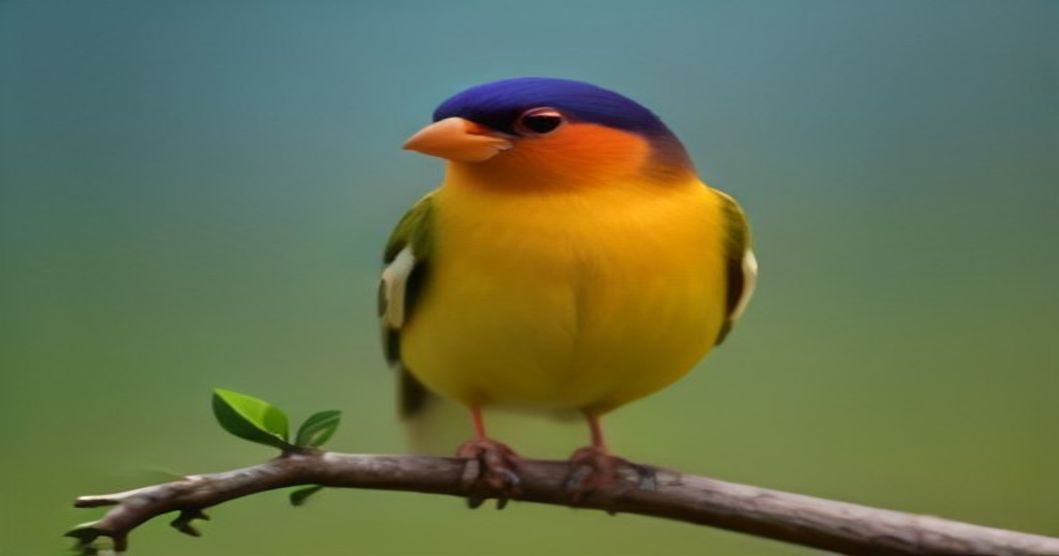
Introduction to the Gouldian Finch
The Gouldian Finch (Erythrura gouldiae) is undeniably one of the most breathtaking avian species in the world. Belonging to the weaver finch family and native to the sun-drenched landscapes of Australia, this bird is celebrated for its remarkably vibrant and multicolored plumage. Unfortunately, wild populations have faced significant declines, leading the IUCN to classify the species as endangered.
History and Discovery
This magnificent species was first discovered by the renowned British naturalist and animal painter John Gould during his expeditions in Australia. Deeply moved by the tragic passing of his beloved wife, Elizabeth Gould—who had accompanied him on these arduous journeys and died shortly after returning—he immortalized her memory by naming the bird Lady Gould’s Amadine.
Fascinating Head Color Variations
One of the most unique biological aspects of the Gouldian Finch is its head coloration. In a single wild population, two and rarely three distinct color morphs—black-headed, red-headed, and yellow-headed variants—can be found living side by side. Because these different color forms freely interbreed and produce fertile offspring, scientists recognize them as a single polymorphic species rather than separate subspecies.
Conservation and Aviculture
While habitat loss, changing fire regimes, and parasites have made Gouldian finches rare in their native Australian homeland, they have found a secure place in global aviculture. Worldwide, dedicated enthusiasts keep them as decorative cage and aviary birds. As a veterinarian and pet care expert, I always remind keepers that providing these sensitive birds with proper nutrition, a warm environment, and minimal stress is crucial to mimicking their natural vitality and ensuring their well-being in captivity.