
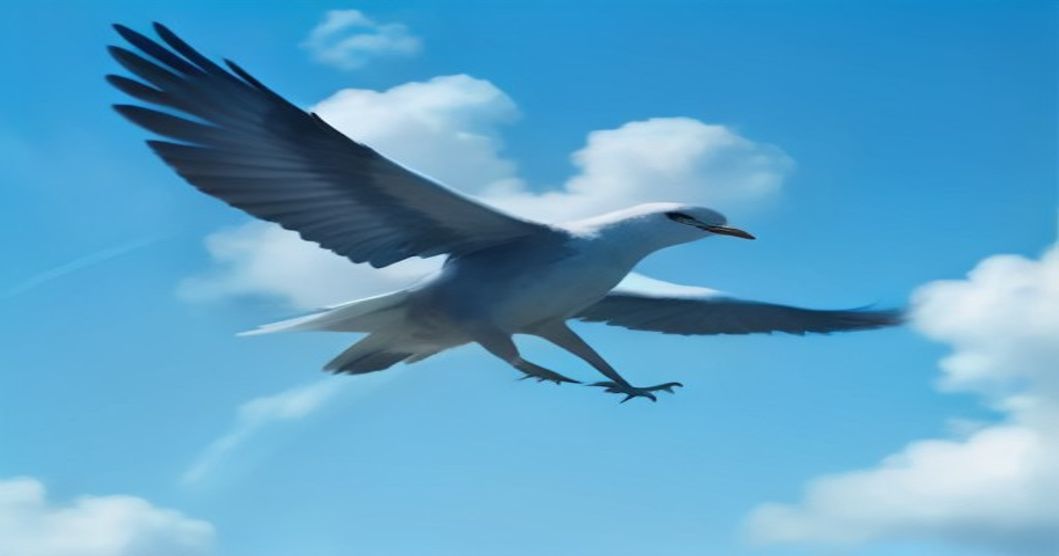
Introduction to the Aerial Marvels
As veterinarians and animal care enthusiasts, we are frequently astounded by the incredible adaptations found in the animal kingdom. Among the most remarkable avian species is the swift, a bird that has evolved to spend the vast majority of its life entirely airborne. From specialized wing structures to unique physiological adaptations, swifts represent the pinnacle of aerial efficiency.
Anatomy Built for Endless Flight
Swifts possess uniquely adapted wings designed for long, sustained flights rather than agile, terrestrial movement. In fact, their legs and feet are extremely short and weak, which leads to a fascinating behavioral quirk: swifts cannot take off from a flat surface. If a swift finds itself grounded, it generally requires a gentle toss into the air by a human rescuer to regain its flight path. Their anatomy is a trade-off, sacrificing ground mobility for unmatched speed and endurance in the sky.
Life on the Wing: Sleeping, Eating, and Migrating
The lifestyle of the swift is unlike almost any other creature. These amazing birds can reach blistering speeds of up to 110 miles per hour. Even more astonishing is their ability to remain airborne for up to 10 months at a time without ever landing. During this extensive period, swifts eat, drink, mate, and even sleep while flying, utilizing unique sleep patterns to rest one half of their brain at a time while gliding on air currents.