
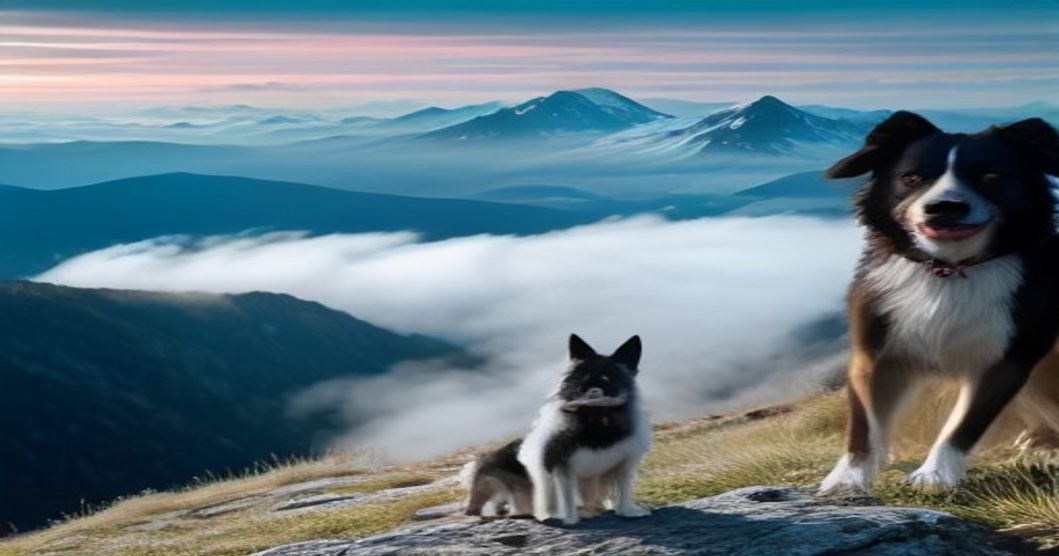
Scaling New Heights: Preparing Your Dog for Mountain Adventures
Inspired by the breathtaking vistas and grand ascents of historic summits like Mount Taishan, many adventurous pet owners dream of sharing panoramic mountain views with their four-legged companions. High-altitude trekking offers incredible physical conditioning and mental enrichment for dogs. However, navigating dramatic elevation changes, rugged terrain, and shifting alpine weather requires specialized preparation to keep your pet safe and healthy.
Understanding Elevation and Altitude Physiology in Pets
Just like humans, dogs are susceptible to the physical effects of high altitude. As elevation increases, atmospheric pressure drops, resulting in less available oxygen per breath. Rapid ascents can lead to altitude distress in dogs, characterized by lethargy, excessive panting, pale gums, nausea, and disorientation. To ensure a safe journey, gradually acclimate your dog over several days at intermediate elevations before attempting steep summit climbs.
Paw Protection and Navigating Rough Terrain
Mountain trails often consist of uneven stone steps, loose scree, and sharp granite rock that can severely abrade delicate paw pads. Prolonged hiking on rough surfaces can lead to painful tears, blisters, or embedded debris. Equipping your canine companion with rugged, well-fitted hiking boots—and breaking them in before the trip—provides vital protection. Additionally, applying a veterinarian-approved protective paw wax can help shield pads from minor friction and harsh surfaces.
Hydration, Thermal Regulation, and Environmental Hazards
High-altitude environments accelerate dehydration due to increased respiratory rate and low ambient humidity. Always carry more fresh, filtered water than you anticipate needing, along with a collapsible bowl. Never allow your dog to drink from untreated mountain streams, which can harbour dangerous pathogens like Giardia. Mountain weather is notoriously unpredictable; pack an insulating, wind-resistant dog coat to prevent hypothermia if sudden alpine winds or cold snaps occur during your ascent.
Conditioning, Trail Etiquette, and Emergency Readiness
A successful summit push demands existing physical fitness. Before undertaking a major peak, build your dog’s stamina with progressively longer day hikes on varied terrain. Always keep your dog on a sturdy harness and leash to prevent falls on steep drop-offs and to respect native wildlife. Finally, assemble a comprehensive canine first-aid kit containing self-adhesive bandages, antiseptic wipes, tweezers, and emergency contact details for local veterinary clinics near your hiking destination.