
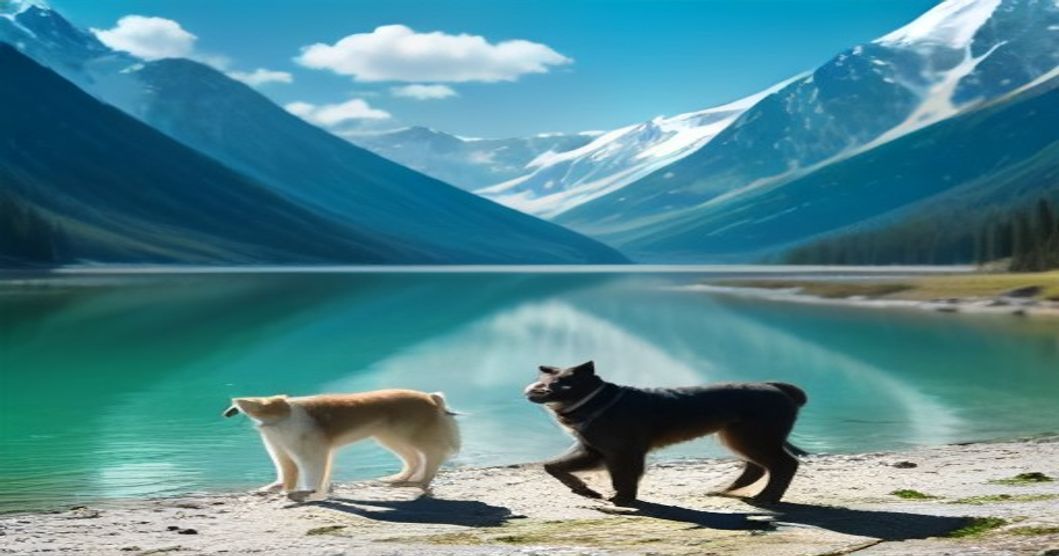
Nestled in the breathtaking Altai Mountains of Russia, the Shavlinsky Lakes are a legendary destination for adventurous hikers and nature lovers. Known for their striking turquoise waters and majestic glacier backdrops, these remote alpine lakes offer an unforgettable wilderness experience. However, embarking on such an expedition with your canine companion requires meticulous preparation, a deep understanding of animal health, and a commitment to safe travel in extreme environments.
Understanding the Canine Health Risks in High-Altitude Terrain
Before planning a trek to the Shavlinsky Lakes, it is crucial to consult your veterinarian. High-altitude environments can pose significant health challenges for dogs, including altitude sickness, rapid dehydration, and severe paw pad wear from rocky, uneven terrain. Professional veterinary guidance ensures that your pet is physically conditioned for long-distance hiking, up-to-date on all regional vaccinations—particularly against tick-borne illnesses prevalent in Siberian forests—and equipped with proper parasite prevention.
Essential Gear and Nutrition for Your Hiking Dog
A successful trek depends heavily on the right equipment. Unlike humans, dogs require specialized gear when navigating the rugged Altai trails. Essential items include a durable, ergonomic dog backpack (if your pet is fit to carry their own lightweight supplies like collapsible bowls and waste bags), a high-visibility harness, and protective booties to shield their paws from sharp shale and freezing stream crossings. Additionally, high-calorie working-dog food is vital to sustain your pet’s energy levels against the demanding physical exertion and cold mountain temperatures.
First Aid and Emergency Preparedness in the Remote Altai Wilderness
Because the Shavlinsky Lakes are deeply isolated from immediate veterinary care, carrying a comprehensive canine first-aid kit is non-negotiable. Your emergency pack should contain antiseptic wipes, sterile gauze, self-adhering bandages, tweezers for tick removal, a digital thermometer, and any prescribed medications your pet regularly takes. Furthermore, pet owners must practice Leave No Trace principles, ensuring that all pet waste is properly managed and that dogs are kept on a leash to protect local wildlife and livestock grazing in the Altai region.