
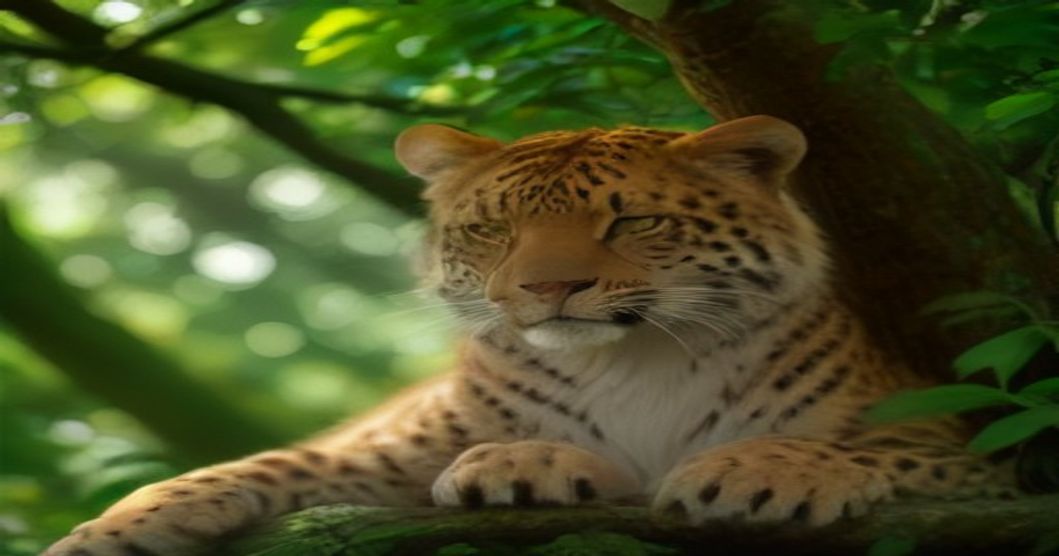
The Captivating World of Leopards
Leopards are among the most graceful, powerful, and mysterious big cats on Earth. Their striking coats, adorned with distinctive rosettes, combined with their incredible stealth, make them universally admired by wildlife enthusiasts and veterinary professionals alike.
Physical Health and Unique Adaptations
As apex stealth predators, leopards possess extraordinary physical capabilities. Their powerful muscular builds enable them to drag prey heavier than themselves up into trees. Maintaining the health of big cats in sanctuaries and natural reserves requires specialized wildlife veterinary care, including species-specific nutritional management, preventative medicine, and environmental monitoring.
Understanding Big Cat Behavior and Enrichment
In wild and sanctuary environments, behavioral health is as critical as physical well-being. Felines require cognitive and physical enrichment that mimics their natural instincts. Scent marking challenges, climbing structures, and complex feeding strategies help keep these magnificent felids mentally sharp and physically active.
Protecting Wild Felids: Responsible Appreciation
While the beauty of exotic cats captivates us, it is vital to remember that wild big cats require specialized environments and professional care. Supporting accredited wildlife sanctuaries, field research, and habitat preservation ensures that these majestic predators continue to thrive for generations to come.