
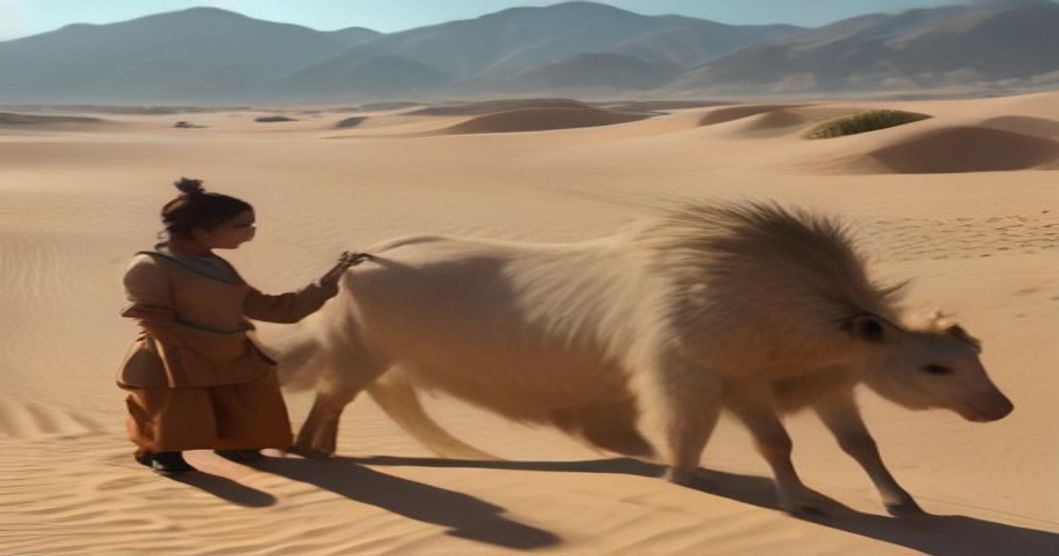
Deep in the Sahara Desert, in the northwest African country of Mauritania, lies the oasis town of Chinguetti. Renowned for its ancient medieval libraries and historic mud-brick architecture, this remote settlement is also a living testament to the endurance of animals and humans surviving together in one of the world’s most unforgiving climates. In such hyper-arid regions, working animals like dromedary camels, donkeys, and resilient local hounds are vital to daily life, making their health and well-being central to the community’s survival.
Physiological Adaptations and Survival in Hyper-Arid Climates
Animals living in environments like Chinguetti exhibit remarkable physiological adaptations. Dromedaries can withstand internal body temperature fluctuations that would prove fatal to other mammals, conserving vital body fluids by reducing sweat production. Desert donkeys possess an exceptional tolerance for dehydration, capable of losing up to thirty percent of their body weight in water without suffering cardiac failure. From a veterinary standpoint, understanding these metabolic mechanisms is essential when assessing baseline health, hydration levels, and physical exertion limits in arid-adapted species.
Common Veterinary Challenges in Desert Environments
Despite their innate resilience, animals in remote desert regions face distinct health threats. Chronic dehydration and hyperthermia are constant risks, often exacerbated by seasonal droughts. Inhalation of fine desert dust can lead to chronic respiratory conditions and particulate-induced rhinitis, while blowing sand frequently causes ocular injuries, such as severe conjunctivitis and corneal ulceration. Furthermore, dry, abrasive terrain causes accelerated hoof wear in donkeys and thermal pad burns in canine companions, requiring constant preventive care and wound management.
Translating Desert Animal Care to Domestic Pet Wellness
The veterinary realities of Chinguetti offer valuable lessons for pet owners worldwide, particularly during warm summer months or in desert-like microclimates. Thermoregulation is critical for all animals; dogs and cats lack efficient sweat glands and rely primarily on panting to dissipate heat, making them highly susceptible to heatstroke. Pet guardians must ensure continuous access to fresh water, provide well-ventilated shelter, avoid walking pets on hot surfaces that can scorch paw pads, and recognize early signs of heat exhaustion, including dark red gums, heavy panting, and lethargy.