
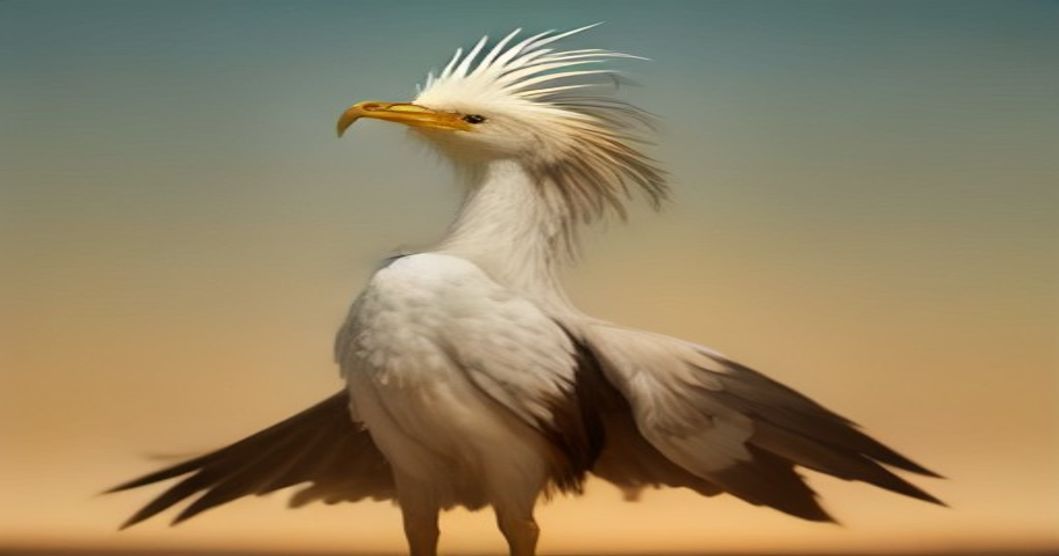
Introduction to a Unique Raptor
Among the vast array of avian species roaming the African grasslands, few birds command attention quite like the Secretary Bird (Sagittarius serpentarius). With its impressive stature, crane-like legs, and dramatic crest of black-tipped feathers, this bird stands out as a true marvel of evolutionary biology. But beyond its striking appearance lies an intriguing story about its name, its hunting style, and its unique place in the natural world.
The Etymology Behind the Name
One of the most popular theories regarding the origin of the Secretary Bird’s common name stems from the French word secrétaire. Observers in the 18th century noticed that the long, quill-like feathers protruding from the back of the bird’s head strongly resembled the goose feather pens traditionally tucked behind the ears of legal clerks and secretaries of that era. Coupled with its gray and black plumage, which mimics the traditional dark coat and light trousers worn by 18th-century office workers, the comparison became an enduring name for this distinctive raptor.
Anatomical Marvels and Terrestrial Hunting
Unlike most birds of prey that hunt primarily from the air, the Secretary Bird is mostly terrestrial. It possesses extraordinarily long, strong legs scaled for protection, enabling it to stride across savannas in search of prey. From an anatomical perspective, its leg structure allows it to deliver powerful, high-velocity stomps with a force several times its own body weight. This unique adaptation makes it an efficient hunter of venomous snakes, small mammals, and reptiles, striking with extreme precision to disable prey in milliseconds.
Ecosystem Role and Avian Health Conservation
As an apex predator within its grassland ecosystem, the Secretary Bird plays a vital role in maintaining ecological balance by controlling populations of rodents and snakes. Regrettably, habitat degradation, agricultural expansion, and human encroachment have led to declining population numbers, leading to its classification as an Endangered species by the IUCN. Preserving the natural savanna habitats and studying avian health dynamics in wild populations remain crucial steps in ensuring the survival of this charismatic and historically fascinating bird.