
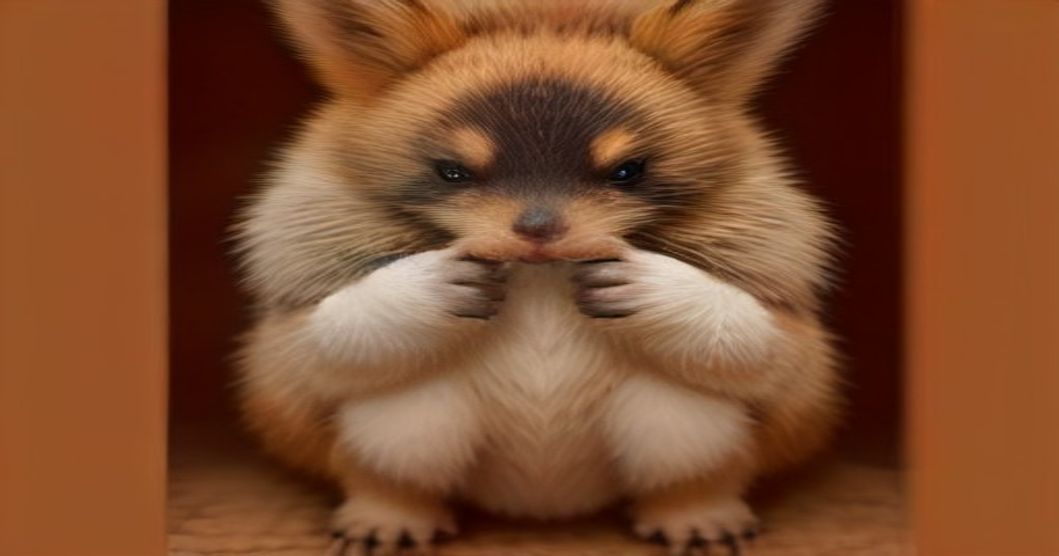
The Viral Charm of the Pacarana
In recent years, internet videos featuring the pacarana (Dinomys branickii) have captured the hearts of millions worldwide. Videos showing these fascinating creatures sitting upright, washing themselves with soap-like movements, or calmly munching on vegetables with their front paws make it easy to see why the pacarana is becoming an increasingly popular point of interest for exotic pet lovers.
Understanding the Pacarana: Nature’s Rare Treasure
Native to the tropical rainforests of the western Amazon River basin and the adjacent foothills of the Andes Mountains, the pacarana is a unique rodent. It is the sole surviving member of the ancient Dinomyidae family. Reaching weights of up to 33 pounds (15 kg), it is one of the largest living rodents on the planet, second only to the capybara and the beaver. Despite its formidable size and large claws, the pacarana is renowned for its unusually slow, deliberate movements and docile temperament.
Why Are Pacaranas Gaining Popularity?
The rise in fascination with pacaranas stems primarily from their charming and remarkably human-like behaviors. Unlike many skittish exotic animals, pacaranas often display a curious and tranquil disposition. They naturally sit on their hind legs to handle food with their forepaws, a trait that endears them to animal enthusiasts. Their quiet nature—communicating through a series of soft whines, grunts, and teeth-chattering—adds to their mystique and appeal.
Veterinary Insights: The Realities of Exotic Care
While the pacarana’s sweet demeanor makes for adorable online content, as a veterinary professional, it is critical to highlight the extensive care required for such a specialized creature. Pacaranas thrive on a highly specific herbivorous diet rich in vegetation, roots, fruits, and specialized fiber to maintain their digestive health and continuously growing teeth. In a domestic setting, replicating their natural foraging environment is exceptionally challenging.
Furthermore, pacaranas require vast enclosure space with temperature-controlled environments that mimic their humid rainforest habitat. They are natural diggers and climbers, meaning simple cage setups are entirely inadequate and can lead to severe stress and physical injury.
Conservation and Legal Considerations
Before considering any exotic animal, prospective caretakers must understand the ecological and legal ramifications. In the wild, pacarana populations are naturally sparse and face threats from habitat loss and hunting, making them a vulnerable species. In most jurisdictions, owning a pacarana is strictly regulated or prohibited under exotic pet laws aimed at protecting wildlife and discouraging illegal trade.
Final Expert Thoughts
It is easy to fall in love with the pacarana’s gentle nature and endearing habits. However, true animal advocacy means appreciating these extraordinary rodents in environments where their welfare, legal protection, and species conservation are guaranteed. Supporting natural habitat preservation and reputable zoological sanctuaries remains the best way to admire the marvelous pacarana.