
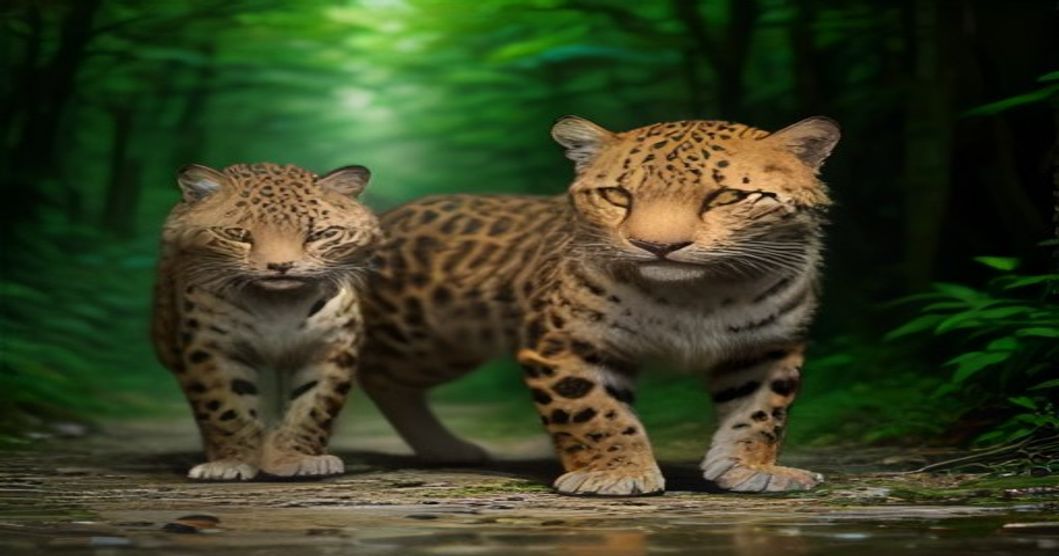
Introduction to the Wild Bengal Cat
The Bengal cat, scientifically known as Prionailurus bengalensis and commonly referred to as the Asian Leopard Cat, stands as one of the most widespread wild cat species across the globe. Sharing a similar size with our domestic feline companions, these magnificent creatures capture the essence of the wild with their striking appearance and adaptable nature.
Geographic Variations and Coat Patterns
The appearance of the Bengal cat varies significantly across its vast natural range. Felines inhabiting the Far East look notably different from their counterparts on the islands of Indonesia. Generally, southern populations sport a vibrant yellowish base coat reminiscent of a classic leopard, whereas northern populations showcase a more subdued gray-brown coloration. Furthermore, pattern markings differ by region: northern populations typically feature circular spots, while southern populations are characterized by striking black streaks.
Size and Physical Dimensions
In terms of physical stature, the size of the Bengal cat varies by geography. Their total body length ranges from approximately 65 centimeters on the island of Java up to a full meter in the colder regions of the Far East. This measurement includes their distinctive tail, which typically spans between 20 to 40 centimeters in length.
Habitat and Ecological Preferences
As adaptable apex predators, Bengal cats thrive in a diverse array of environments, ranging from dense tropical and coniferous forests to open savannas and rugged mountainous terrains. A defining characteristic of their ecological preference is their affinity for aquatic environments; Bengal cats always live near water and are exceptional swimmers. True to their wild heritage, they actively avoid human settlements, only occasionally crossing cultivated fields in search of prey.