
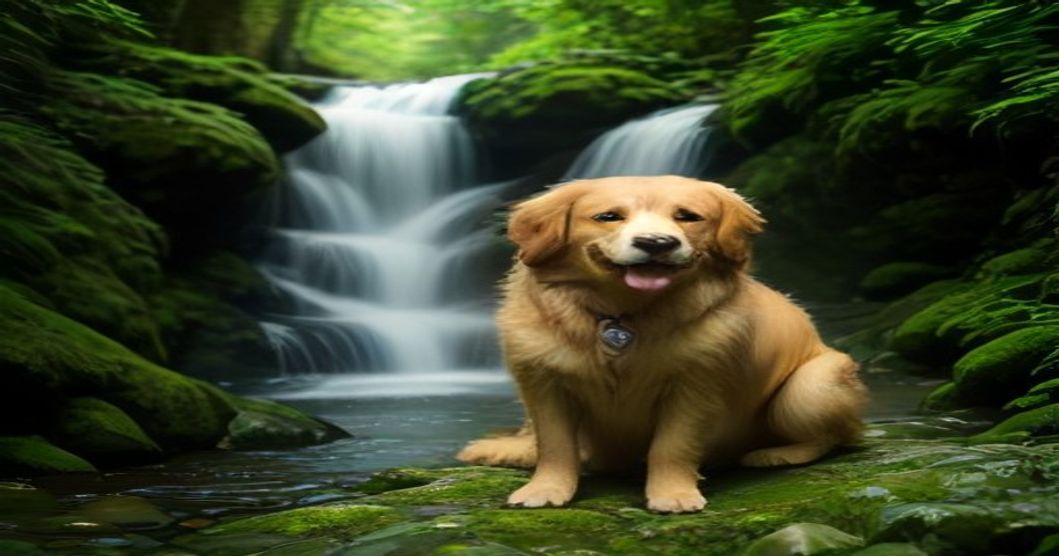
Trekking through nature with your canine companion is one of the most rewarding experiences a pet owner can have. The stunning trail to Agur Waterfalls, known for its lush vegetation, dramatic gorges, and refreshing cascades, offers an exhilarating sensory adventure for dogs. However, scenic waterfall hikes present unique physical demands and environmental hazards. As a veterinarian, ensuring your dog stays safe, hydrated, and injury-free on rugged terrain like the Agur Waterfall trail is my top priority.
Pre-Hike Health Checks and Conditioning
Before embarking on a trail hike to Agur Waterfalls, evaluate your dog’s physical fitness and age. Rocky paths and incline ascents require strong joint health and cardiovascular stamina. Puppies whose growth plates have not fully fused, as well as senior dogs with arthritis, should avoid steep or uneven terrain. Ensure your pet is up to date on core vaccinations and vector-borne parasite preventatives, particularly against ticks, fleas, and mosquitoes, which thrive in damp, forested environments.
Navigating Slippery Rocks and Water Safety
The damp environment surrounding Agur Waterfalls creates naturally slick stones, algae-covered paths, and steep drop-offs. Keep your dog on a sturdy, non-retractable leash paired with an ergonomic harness equipped with a top handle. This allows you to assist your dog over difficult obstacles and prevent sudden slips. While dogs are natural swimmers, waterfall plunge pools can feature hidden currents or submerged debris. Never allow your dog to jump into fast-moving water or off high ledges.
Hydration and Waterborne Disease Prevention
It is crucial to prevent your dog from drinking directly from natural streams or standing pools around the waterfalls. Fresh surface water can harbour parasites such as Giardia and bacteria like Leptospira, which cause severe gastrointestinal and renal illness. Always pack an adequate supply of clean, bottled drinking water and a collapsible bowl. Offer small, frequent water breaks throughout the hike to prevent dehydration and heat exhaustion.
Protecting Paw Pads and Post-Hike Recovery
Sharp limestone rocks and wet terrain can soften and tear a dog’s paw pads. Consider using protective dog booties if your pet is accustomed to them, or apply a conditioning paw wax before setting off. Once you finish the hike, perform a thorough physical inspection. Check between the toes and inside the ears for ticks, burrs, or small cuts. Rinse your dog’s coat and paws with clean water to remove mud and organic debris, ensuring a comfortable recovery after a day of outdoor exploration.