
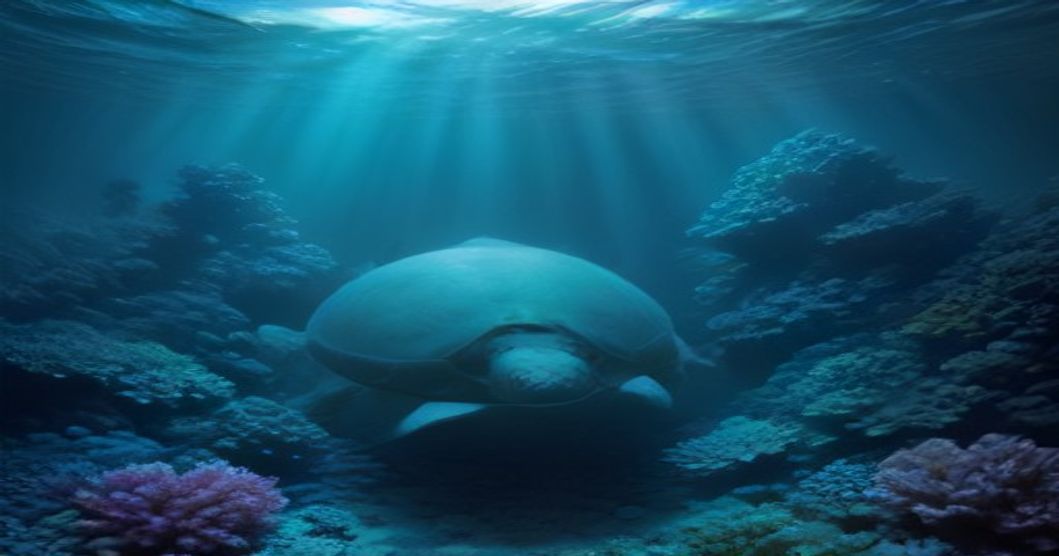
Introduction to the Green Sea Turtle
The Green Sea Turtle (Chelonia mydas) is one of the world’s most iconic marine reptiles. Renowned for its graceful navigation of oceanic currents and essential ecological role, this majestic herbivore spends most of its life cruising through tropical and subtropical ocean waters. Beyond their impressive migrations, their daily behavioral patterns—specifically how they rest and rejuvenate—offer a captivating look into marine animal health and survival strategies.
How and Where Sea Turtles Sleep
Unlike terrestrial mammals, green sea turtles adapt uniquely to rest beneath the water’s surface. When it is time to snooze, these reptiles often seek shelter in coral reef overhangs, rocky crevices, or nestled comfortably within giant sea sponges. Wedging themselves under sea sponges or coral structures provides protection against strong ocean currents and potential predators like tiger sharks.
During these underwater naps, a turtle’s heart rate slows dramatically to conserve oxygen, allowing them to remain submerged for hours on a single breath. This resting metabolic state is a critical physiological adaptation for maintaining optimal stamina, thermal balance, and overall systemic health.
The Ecological Importance of Reef Ecosystems
The relationship between sea turtles, sea sponges, and coral reefs underscores the intricate balance of marine ecosystems. Sea sponges serve as vital components of reef infrastructure, filtering seawater and providing refuge for various marine species. Healthy reef environments ensure that sea turtles have access to safe resting sites and abundant food sources, such as seagrasses and algae.
Protecting Marine Wildlife and Marine Health
As veterinary professionals and conservationists monitor marine health, protecting these natural underwater sanctuaries becomes paramount. Threats such as plastic pollution, destructive fishing practices, and ocean warming disrupt these delicate sleeping grounds and dietary habitats. Promoting ocean conservation and supporting marine protection initiatives ensures that species like Chelonia mydas can continue to thrive, rest safely, and fulfill their vital ecological roles for generations to come.