
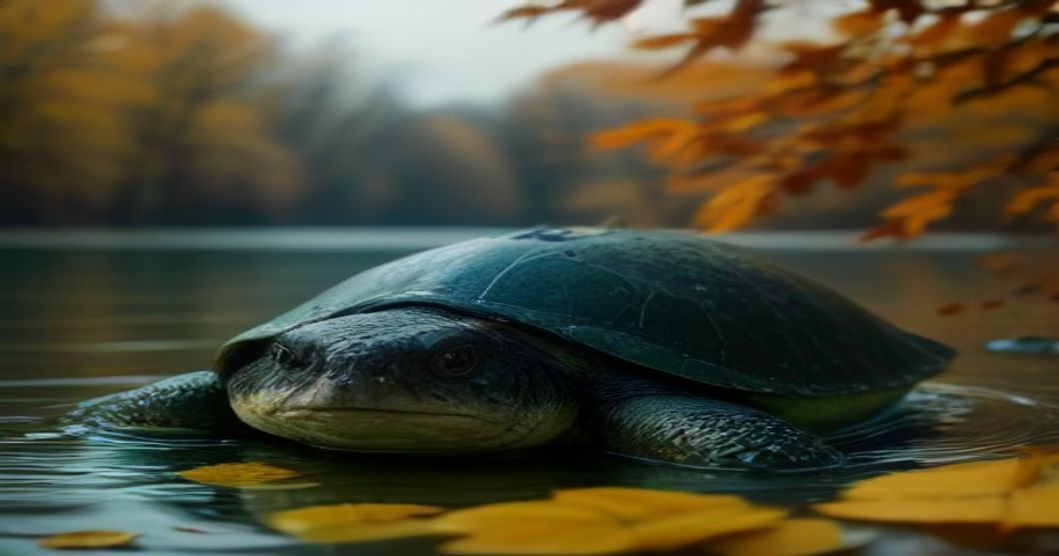
Introduction to the Common Snapping Turtle
The Common Snapping Turtle (Chelydra serpentina) is one of North America’s most iconic and intriguing freshwater reptiles. Best known for its powerful beak and formidable demeanor when encountered on land, this ancient species has earned a reputation that commands respect from wildlife enthusiasts and veterinarians alike. Far from being merely aggressive, these impressive creatures possess remarkable physiological adaptations that allow them to grow up to 35 centimeters in carapace length and routinely reach weights of 14 kilograms, with exceptional specimens weighing up to 30 kilograms.
Defensive Mechanics and Natural Behavior
While snapping turtles are surprisingly docile and elusive when submerged in their aquatic habitats, their behavior changes dramatically on land. Deprived of the ability to swim away quickly, they rely on a powerful defense mechanism. A snapping turtle can extend its surprisingly long, muscular neck with astonishing speed, delivering a forceful bite to deter potential predators or handlers. From a veterinary standpoint, understanding this natural defensive instinct is crucial for safe wildlife rehabilitation and field observations, as their sharp, hooked jaws can inflict serious injuries.
Extraordinary Winter Adaptation and Cold Resilience
One of the most fascinating aspects of Chelydra serpentina is its extraordinary tolerance for freezing temperatures. During the harsh winter months in northern regions, snapping turtles undergo a period of dormancy known as brumation, burying themselves in the soft mud at the bottom of ponds and lakes from October through May. Remarkably, their metabolism adapts to extremely low oxygen environments. It is not uncommon to spot these resilient reptiles slowly moving underneath clear ice or even taking brief journeys across frozen water surfaces, demonstrating a thermal tolerance rare among reptiles.
Ecosystem Role and Wildlife Appreciation
As apex scavengers and opportunistic predators, snapping turtles play a vital role in maintaining healthy aquatic ecosystems by clearing organic debris and controlling fish and invertebrate populations. Appreciating these ancient animals involves admiring their survival strategies from a safe distance and preserving the wetland habitats they call home.