
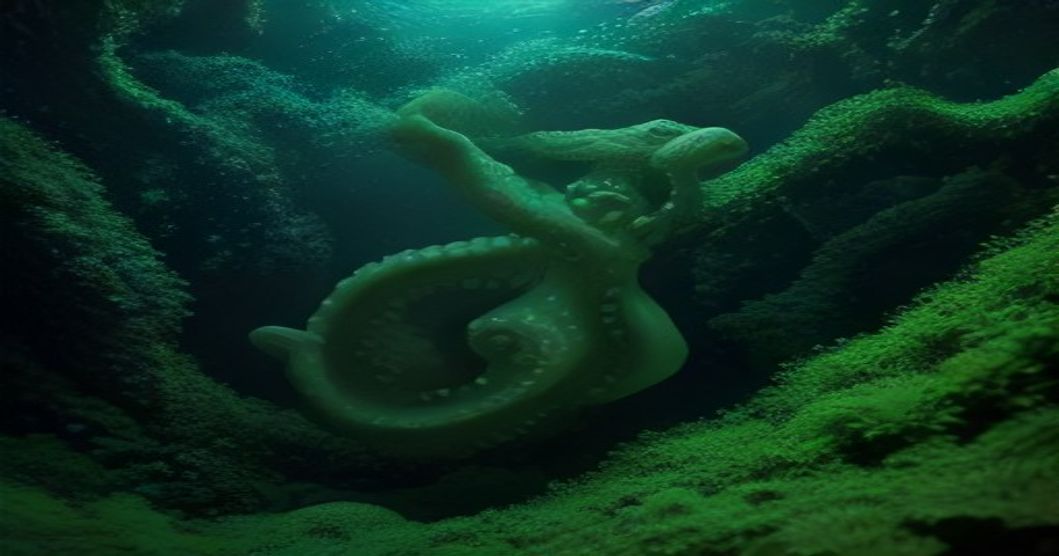
Introduction to a Aquatic Marvel
In the fascinating world of herpetology, few creatures capture the imagination quite like the tentacled snake (Erpeton tentaculatum). Native to the freshwater habitats of Indochina, this fully aquatic reptile stands out not just for its unique lifestyle, but for a defining anatomical feature that sets it apart from all other snakes: a distinct pair of fleshy tentacles on its snout.
Anatomy and Sensory Wonders
Measuring between 70 to 90 centimeters in length, these remarkable snakes utilize their signature nasal appendages as sophisticated sensory detectors. These small, highly muscular growths act almost like biological antennae. When the snake feels threatened, it instinctively retracts its tentacles close to the head. However, during hunting expeditions, it extends them forward to meticulously scan the murky waters for the vibrations and movements of unsuspecting prey.
Camouflage and Aquatic Adaptation
As obligate aquatics, tentacled snakes never leave the safety of the water. To survive in their dense freshwater ecosystems, they have evolved an ingenious method of passive camouflage. Their scales are frequently blanketed in natural algae, allowing them to blend seamlessly into their surroundings as they patiently wait to ambush passing fish.