
Meet the Bush Dog: A Canine That Defies Expectations
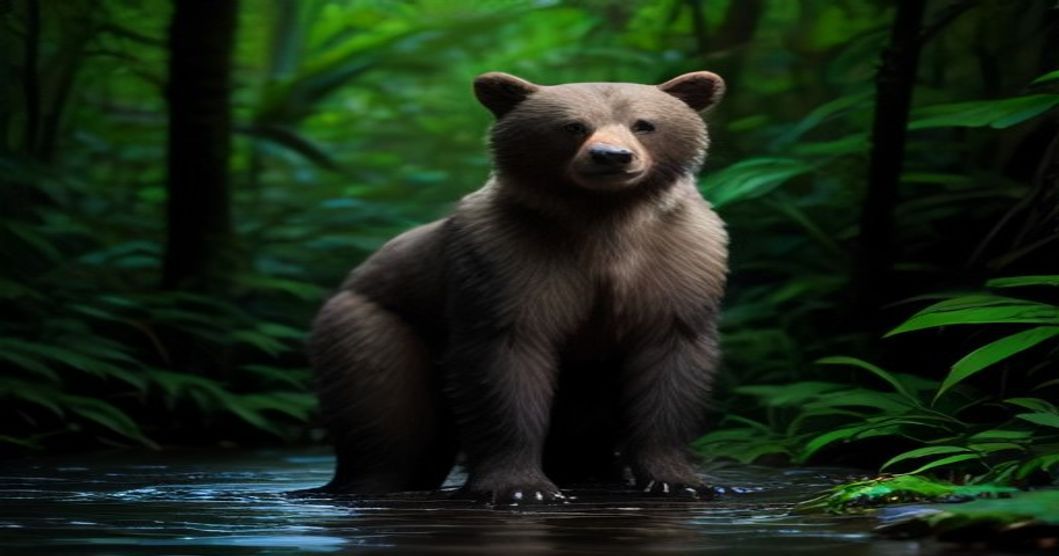
When most people picture a wild dog, they imagine a slender, long-legged predator loping across open plains. However, the Bush Dog (Speothos venaticus) shatters every preconceived notion of what a canine should look and act like. With its bear-like face, remarkably short tail, and partially webbed feet, this fascinating creature bears a striking resemblance to an otter or another semi-aquatic mammal rather than a traditional dog. In fact, these unique adaptations are designed for a life deeply intertwined with water, where they hunt almost exclusively.
Physical Characteristics and Natural Habitat
Despite their formidable predatory skills, bush dogs are surprisingly compact in size. A typical adult boasts a body length ranging from 55 to 75 centimeters, complemented by a short 12 to 15-centimeter tail. Standing at a mere 25 to 30 centimeters at the shoulder, these little carnivores typically weigh between 5 and 7 kilograms. Their geographical distribution spans across Central and South America, including habitats in Panama, Venezuela, Peru, eastern Bolivia, northern Paraguay, northeastern Argentina, and Brazil, alongside an isolated population residing west of the Andes in Ecuador and Colombia.
Conservation Status and Fascinating History
One of the most compelling aspects of the bush dog is its sheer rarity. Despite inhabiting a relatively wide geographic range, these elusive animals are seldom seen in the wild. Historically, scientists believed the species was entirely extinct, as they were initially known to modern science solely through fossilized remains discovered in Brazil. Today, veterinary and conservation experts continue to study these remarkable animals to better understand their ecological needs and ensure their survival in rapidly changing natural habitats.