
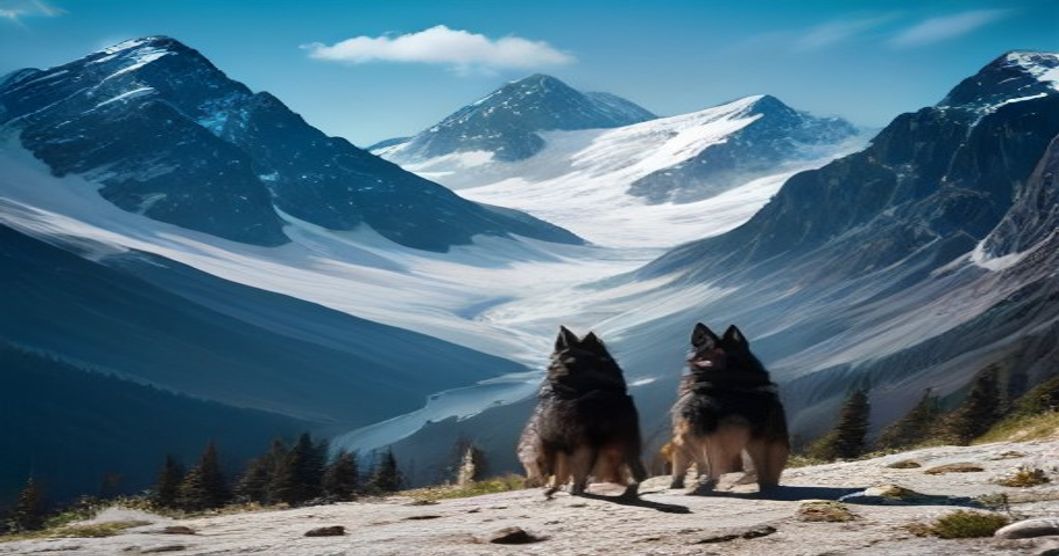
Embarking on high-altitude expeditions to breathtaking destinations—such as the rugged peaks and roaring glacial waterfalls of Mount Cilo in the Hakkari region—presents an invigorating challenge for adventurous pet owners. While trekking alongside your canine companion through alpine terrain can strengthen your bond, extreme environments introduce distinct physiological stressors. As a veterinarian, ensuring the safety of working and adventure dogs in high-elevation, glacial-fed landscapes requires a comprehensive understanding of altitude physiology, cold-water hazards, and musculoskeletal resilience.
Understanding High-Altitude Hypoxia in Canines
Just like humans, dogs are susceptible to the physiological impacts of high elevation. When ascending above 8,000 feet, barometric pressure decreases, leading to reduced oxygen availability. While canines do not typically develop high-altitude pulmonary edema (HAPE) as readily as unacclimatized humans, they can experience acute mountain fatigue, hypoxia, and respiratory distress. Brachycephalic breeds, geriatric pets, and dogs with underlying cardiovascular or pulmonary disease are at substantial risk. Veterinary conditioning, gradual acclimatization periods, and monitoring for signs of altitude stress—such as excessive panting, cyanotic (blue-tinged) gums, ataxia, and lethargy—are essential before attempting steep alpine ascents.
Glacial Waterfall and Meltwater Hazards: Cold Shock and Pathogens
The dramatic sight of glacial meltwater cascading down mountain cliffs is alluring, but these pristine-looking waters harbor significant medical risks. Glacial runoff remains near freezing temperatures year-round. Sudden immersion into a glacial pool or swift current can induce cold shock response, leading to involuntary aspiration of water, severe cramping, and rapid hypothermia. Even strong swimming breeds can quickly succumb to rapid-onset exhaustion in freezing rapids.
Furthermore, untreated alpine runoff is not inherently sterile. Meltwater can transport cysts of Giardia lamblia and Cryptosporidium from native wildlife upstream. Ingestion of contaminated glacial runoff frequently results in acute gastroenteritis, profuse diarrhea, and severe dehydration. Pet owners should always carry clean, filtered water and a collapsible bowl, discouraging pets from drinking directly from fast-flowing runoff or stagnant glacial pools.
Paw Protection on Moraines, Scree, and Ice
Glacial geography features sharp shale, abrasive granite, and jagged scree that can severely damage canine paw pads. Extended contact with sub-zero snowpack or glacial ice sheets can cause frostbite, interdigital fissuring, and painful ice ball accumulation between the toes. To protect your dog’s paws, apply veterinary-approved barrier waxes, utilize rugged all-terrain canine booties with reinforced soles, and inspect paws frequently for lacerations, foreign bodies, or nail fractures.
Essential Alpine First-Aid and Emergency Planning
When venturing into remote alpine areas, remote evacuation can be complex. Every mountaineering pet owner should carry a tailored canine first-aid kit containing self-adherent cohesive bandages (Vetwrap), sterile gauze, chlorhexidine antiseptic solution, a digital rectal thermometer, styptic powder, and an emergency canine rescue sling capable of carrying your pet if they become incapacitated. Prevention, continuous hydration, and keen observation will ensure that your rugged high-altitude journey remains a safe and rewarding experience for both you and your dog.