
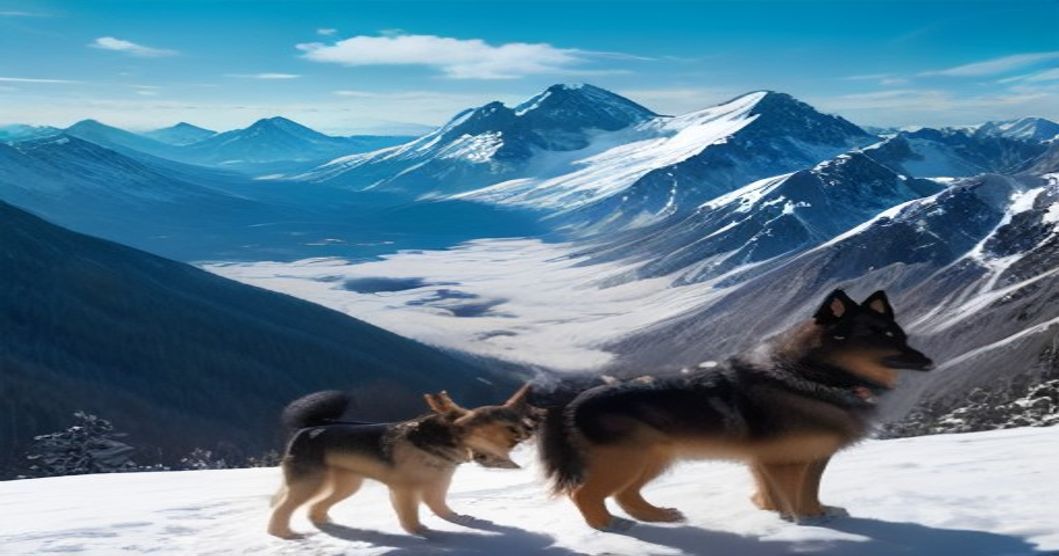
The Call of the Mountains: Preparation Meets Adventure
Breathtaking alpine vistas, soaring peaks reminiscent of the dramatic Passu Cones, and winding mountain passes like the Karakoram Highway inspire many pet parents to take their canine companions on rugged road trips. While navigating dramatic mountain landscapes offers unforgettable bonding experiences, high-altitude travel introduces unique physiological stressors for domestic animals. As a pet owner, understanding how extreme elevations, rocky terrain, and fluctuating weather impact your pet’s health is critical to ensuring a safe and enriching journey.
Understanding Altitude Sickness and Hypoxia in Pets
Just like humans, companion animals can experience acute mountain sickness (AMS) and hypobaric hypoxia when rapidly ascending to high elevations. Pets with underlying cardiovascular or respiratory conditions, such as brachycephalic breeds, senior dogs, or those with subclinical heart murmurs, are particularly vulnerable. Reduced atmospheric pressure means less available oxygen per breath, which can manifest as lethargy, panting disproportionate to activity, pale or cyanotic gums, vomiting, and ataxia. Acclimatization is essential: ascend gradually, monitor your pet closely during rest stops, and schedule a comprehensive pre-trip cardiopulmonary examination with your veterinarian.
Paw Health and Rugged Terrain Protection
Mountain roads and jagged trails present acute hazards for canine paw pads. Sharp shale, loose gravel, and freezing surfaces can quickly cause lacerations, abrasions, and frostbite. Before embarking on rugged trails, condition your dog’s pads using specialized pet paw waxes that provide moisture and a protective barrier. Investing in well-fitted, durable canine booties with rugged rubber outsoles protects against sharp stones and temperature extremes. Regularly inspect the interdigital spaces for embedded debris, burs, or small cuts after every scenic stop.
Hydration, Caloric Needs, and Thermal Regulation
Dry alpine air accelerates moisture loss through respiration, significantly increasing your pet’s risk of dehydration. Always carry an ample supply of purified water and offer it frequently, even if your pet does not actively seek it. Furthermore, traversing steep gradients and regulating core body temperature in cold mountain environments burns substantial calories. Increase your dog’s caloric and protein intake accordingly with nutrient-dense, easily digestible meals, and equip short-coated or lean breeds with windproof, thermal jackets to prevent hypothermia during high-elevation excursions.
Building a Remote Wilderness First-Aid Protocol
Traveling through isolated mountain highways requires self-sufficiency. Always carry a dedicated veterinary first-aid kit containing sterile gauze, self-adherent bandages, antiseptic wash, styptic powder, tweezers for tick and thorn removal, and veterinarian-approved medications for motion sickness and pain management. Ensure your pet is microchipped with up-to-date registry details and keep offline digital copies of their complete medical records, vaccination certificates, and local emergency veterinary contacts along your travel route.