
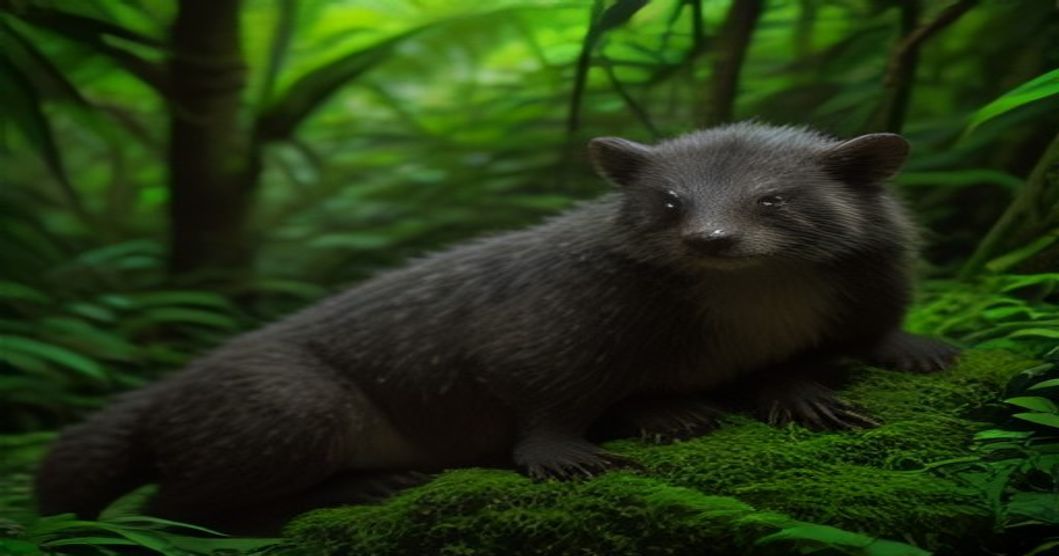
Introduction to the Pacarana
As animal health professionals and exotic species enthusiasts, we are constantly fascinated by the diversity of the rodent order. Among the most enigmatic and charming of these is the pacarana (Dinomys branickii). Ranking as the fifth-largest rodent in the world—surpassed only by the capybara, beaver, crested porcupine, and mara, and rivaling the latter in size—this remarkable creature remains a rare and captivating subject in zoology. Weighing between 10 to 15 kg with a body length of 70 to 80 cm, the pacarana possesses a robust build that immediately sets it apart from typical household rodents.
Etymology and Natural Habitat
The scientific name of the pacarana holds a humorous historical contradiction. Derived from the Greek words “deinos mys,” it literally translates to “terrible mouse,” while the species name branickii honors the naturalist A. Branicki. Despite its “terrible” moniker, this rare mammal is anything but fierce. Native to South America, the pacarana inhabits the lower regions of rocky mountain slopes and lush rainforest valleys, thriving at altitudes ranging from 200 to 2,000 meters above sea level. Because of its secretive habits, encounters in the wild are exceptionally rare.
Behavioral Profile: Calm and Phlegmatic
In the wild, pacaranas are known for their slow, deliberate, and remarkably “phlegmatic” demeanor. This calm disposition translates wonderfully into captivity, where they are recognized as peaceful, non-aggressive, and gentle animals. Their docile nature makes them subjects of great interest for behavioral studies, though their specific nutritional and environmental needs require specialized veterinary care to replicate their natural rainforest habitat successfully.
Unique Social Structure and Reproduction
One of the most endearing and scientifically fascinating aspects of the pacarana is its social and mating system. These animals are strictly monogamous, forming lifelong bonds with a single partner. Their reproductive cycle is notably slow and deliberate; pregnancy lasts an unusually long time for a rodent—up to eight months—typically culminating in a litter of two offspring. Demonstrating their hardy nature, newborn pacaranas are precocial in their eating habits, attempting solid food just days after birth.
Conclusion
The pacarana is a true gem of South American biodiversity. Balancing a gentle, lifelong-devoted temperament with a unique evolutionary history, the “terrible mouse” is actually a peaceful ambassador of the rainforest. As habitat preservation and captive observation continue to shed light on this elusive species, our appreciation for its ecological and behavioral uniqueness only deepens.