
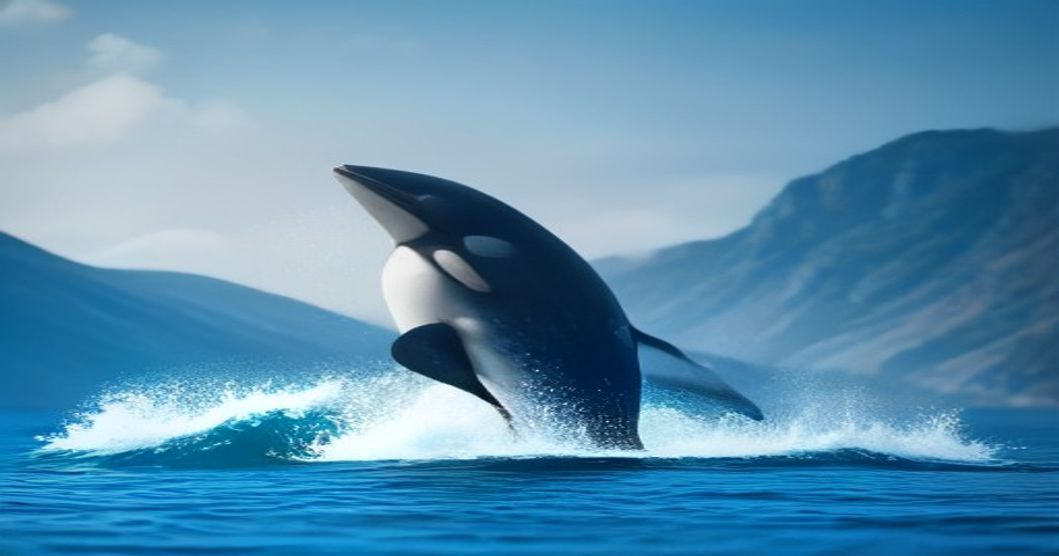
Introduction to the Apex Predators of the Ocean
Orcinus orca, universally known as killer whales, are not actually whales at all, but rather the largest members of the oceanic dolphin family. Reaching staggering lengths of up to 10 meters and weighing between 4 and 9 tons, these magnificent marine mammals combine immense power with extraordinary intelligence. Their streamlined bodies and sophisticated social structures make them one of the most successful apex predators on the planet.
Intentional Stranding: A High-Risk, High-Reward Tactic
In specific regions around the globe, such as the shallow waters near the Crozet Islands in the Indian Ocean and the rugged coast of Patagonia, orcas have independently developed one of the most daring hunting techniques in the animal kingdom: intentional beaching. By purposefully sliding onto the shore, these clever hunters are able to ambush unsuspecting seal and sea lion pups resting on the sand or in extremely shallow surf.
Maternal Teaching and Intergenerational Learning
This complex and perilous hunting method is not instinctual; it must be learned. Experienced mothers pass down this vital survival knowledge to their calves through meticulous observation and practice. Young orcas can frequently be observed practicing the precise sliding maneuvers on the shore even when no prey is present, refining their agility and balance under the watchful eyes of their pod.
The Fine Line Between Triumph and Tragedy
While this strategy yields a high protein reward, it comes with extreme biological risks. The margin for error is razor-thin; if an orca misjudges the tide or fails to use the receding wave to pull itself back into deep water, it risks becoming permanently stranded. This delicate balance highlights both the remarkable adaptability and the profound dangers these apex predators face in their natural marine habitats.