
The Enigmatic Discovery Beneath the Ice
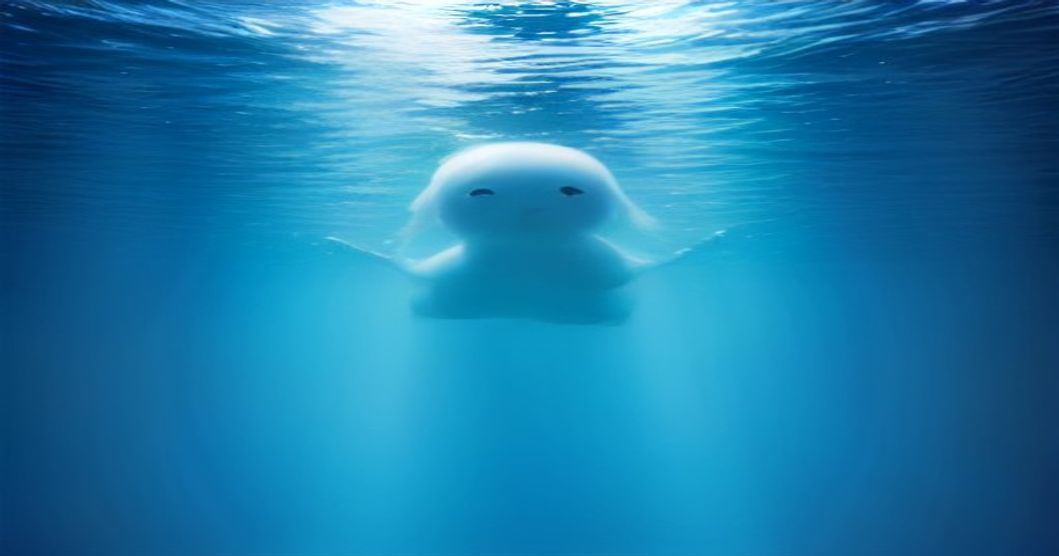
In the frigid, unforgiving waters off the coast of Russia, marine science captured the imagination of the world when renowned scientist Alexander Semenov filmed a creature straight out of science fiction. Often dubbed the “Sea Angel” (scientifically known as Clione limacina), this bizarre organism glides effortlessly through the dark, icy depths. With a translucent body that catches and reflects the sunlight, it looks less like a living animal and more like an otherworldly visitor drifting through a subaquatic cosmos.
Anatomy and Astonishing Hunting Behavior
Measuring a mere 2 to 4 centimeters in length, this delicate-looking creature belies a fierce reality. Beneath its ethereal, torpedo-shaped exterior and wing-like appendages—which it uses to gracefully “fly” through the water—lies a specialized predator. The Sea Angel is a carnivorous marine gastropod that preys primarily on its cousin species, colloquially known as “sea devils” (Limacina). Despite its tiny stature, it plays a fascinating and crucial role in the complex polar marine ecosystem.
Cultural Icon and Pop Culture Sensation
While marine biologists marvel at its predatory adaptations and physiological resilience in freezing temperatures, the Sea Angel holds a remarkably different status elsewhere in the world. In Japan, this charming invertebrate has captured the public’s heart, serving as a beloved character in children’s literature. From charming souvenirs and delicate jewelry to whimsical home decorations, the Sea Angel is celebrated as a symbol of aquatic grace, bridging the gap between deep-sea marine biology and modern popular culture.