
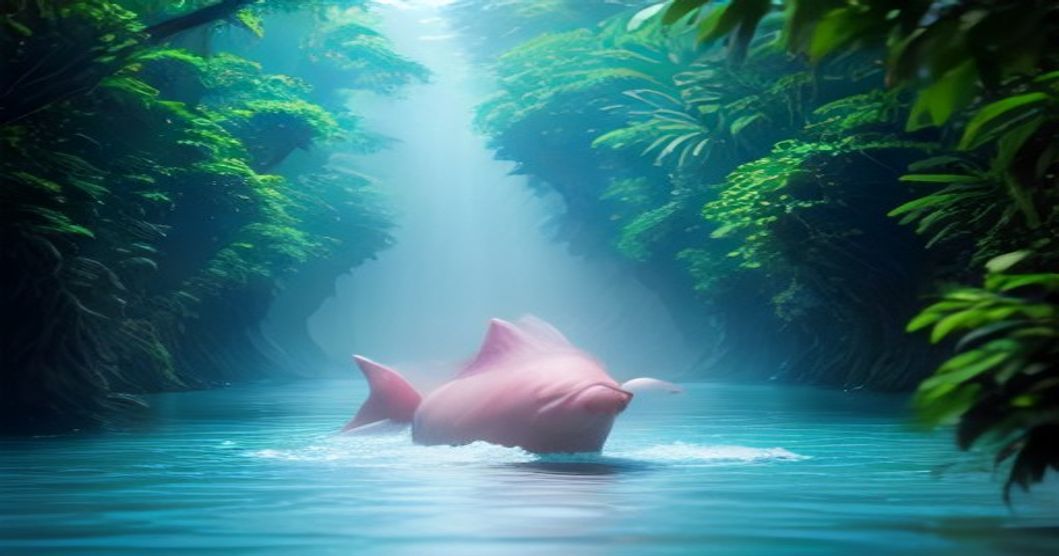
Discovering the Boto: The Gentle Giant of the Amazon
Deep within the winding waterways of the Amazon basin lives one of the most enigmatic and mesmerizing creatures in the animal kingdom: Inia geoffrensis, commonly known as the boto, or Amazon river dolphin. Unlike their marine counterparts, these freshwater cetaceans navigate a complex, flooded forest habitat that requires unique physical and behavioral adaptations.
From Gray to Pink: The Unique Biology of River Dolphins
One of the most fascinating traits of the boto is its coloration. Interestingly, these dolphins are actually born a subtle, light gray. As they mature—particularly in males—abrasions, scar tissue from interactions with other males, and natural pigmentation changes cause their skin to transform into striking shades of pink. Contrary to popular belief, they are not true albinos, but rather possess a unique natural pigmentation.
The Largest of Their Kind
River dolphins are exceptionally rare, with only four surviving species found across the globe in habitats such as the Amazon, Ganges, Indus, and Rio de la Plata rivers. Among them, the Amazonian river dolphin reigns supreme as the largest species. Reaching impressive lengths of up to 3 meters (nearly 10 feet) and weighing as much as 200 kilograms (440 pounds), these magnificent mammals are perfectly adapted to their sprawling freshwater ecosystem.
Courtship and Culture in the River
The social behavior of the boto is equally captivating, especially during the mating season. Male botos engage in a remarkably distinct courtship ritual: they perform an underwater dance while spinning around and holding objects such as aquatic plants or pieces of wood in their mouths. This display serves a dual purpose—it charms prospective female mates while aggressively challenging rival males for dominance.
As veterinary professionals and wildlife conservationists, understanding and protecting unique species like the boto is vital for preserving the rich biodiversity of our planet’s freshwater ecosystems. Their survival depends on the health of the magnificent Amazon River they call home.