
Introduction to the Siamang
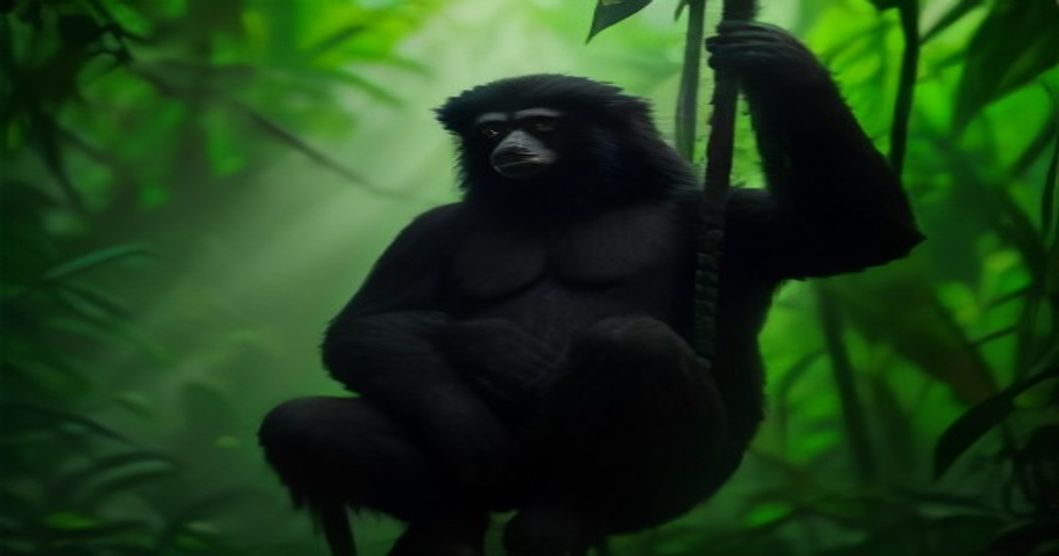
As veterinarians and wildlife enthusiasts, we are constantly amazed by the incredible adaptations found in the animal kingdom. Among the primate world, the Siamang (Symphalangus syndactylus) holds a truly unique place. Recognized as the largest and heaviest of all gibbon species, these remarkable primates typically stand between 75 to 90 centimeters tall and weigh an impressive 8 to 13 kilograms. Their sheer size sets them apart, but it is their extraordinary behavioral and physical traits that truly captivate animal experts and nature lovers alike.
Anatomy and the Power of Song
One of the most striking physiological features of the siamang is its specialized throat sac. Serving as a powerful biological resonator, this expandable pouch allows the siamang to produce booming, echoing calls that can carry across dense tropical jungles for an astonishing 3 to 4 kilometers. These complex vocalizations are not merely for show; they play a vital role in long-distance communication, reinforcing social bonds, and fiercely marking their established territories against rival groups.
Habitat, Arboreal Mastery, and Surprising Swimming Skills
Native to the lush tropical rainforests of the southern Malay Peninsula and the island of Sumatra, siamangs are strictly diurnal creatures. They spend the vast majority of their lives high up in the forest canopy. Utilizing their exceptionally long, powerful arms, they move through the trees with breathtaking acrobatic grace, swinging from branch to branch in a locomotion style known as brachiation. Interestingly, unlike most other gibbon species that tend to avoid water at all costs, siamangs are surprisingly adept swimmers—a rare and fascinating evolutionary trait in the lesser ape family.
Social Structure, Diet, and Conservation
Siamangs are famously monogamous, forming strong pair bonds that last for life. Each family unit fiercely defends its home range from outsiders, ensuring access to essential resources. As primarily frugivorous and folivorous animals, their diet consists largely of nutrient-rich leaves and fresh tropical fruits, though they will occasionally supplement their nutrition with bird eggs and small vertebrates. Understanding and protecting the delicate ecological needs of the siamang is crucial for ensuring that these charismatic giants continue to thrive in their dwindling natural habitats.