
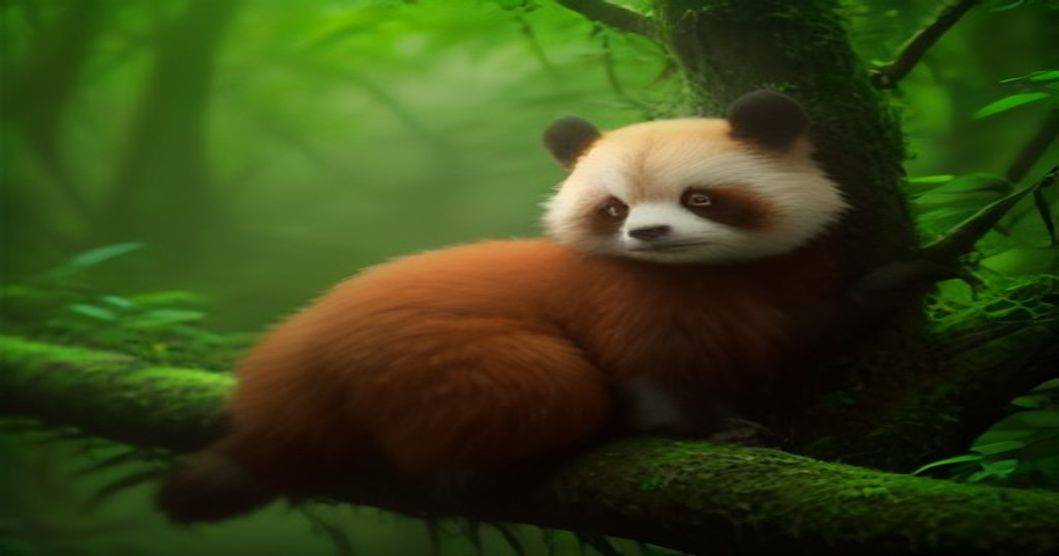
Introduction to the Red Panda
When we think of charismatic wildlife, massive mammals often steal the spotlight. However, nestled high in the temperate forests of the Himalayas and southwestern China lives a creature whose sheer cuteness captivates the globe: the red panda. Scientifically known as Ailurus fulgens, these magnificent arboreal mammals are neither bears nor true pandas, but rather belong to their own unique taxonomic family, Ailuridae. Their captivating appearance—featuring rust-colored fur, a ringed tail, and an endearing facial expression—radiates a profound sense of natural tenderness that has charmed animal lovers worldwide.
Anatomy of Adorability: Specialized Adaptations
The undeniable charm of the red panda is not just an aesthetic trait; it is a result of fascinating evolutionary adaptations. Their dense, woolly undercoat and long, bushy tails provide vital insulation against the biting cold of high-altitude mountain ranges. Serving as a living blanket, the tail is frequently wrapped tightly around the body during sleep. Furthermore, red pandas possess a specialized ‘false thumb’—an elongated wrist bone that allows them to dexterously grasp bamboo stalks, much like a giant panda. From a veterinary and behavioral standpoint, these physical traits highlight a masterclass in mammalian adaptation to an arboreal lifestyle.
Diet, Health, and the Challenges of Captive Care
Despite being classified under the order Carnivora, red pandas are overwhelmingly specialized herbivores, with bamboo making up the vast majority of their daily diet. As pet care and exotic animal health experts note, maintaining their delicate digestive systems in professional zoological settings requires rigorous nutritional balancing. Their gastrointestinal tracts are relatively short, meaning they must consume large quantities of fresh, high-quality bamboo shoots and leaves daily to extract sufficient energy. Veterinary professionals monitor their dental health, metabolic bone diseases, and parasitic vulnerabilities closely to ensure these fragile ambassadors thrive under human care.
Conservation Status and Global Protection
Beneath the captivating exterior of red panda tenderness lies a sobering reality: these animals are currently classified as Endangered by the IUCN. Habitat fragmentation, deforestation, climate change, and illegal poaching for their distinct pelts pose severe threats to wild populations. Conservation breeding programs, habitat restoration initiatives, and anti-poaching patrols are crucial for their survival. Protecting the red panda goes beyond preserving a single species; it safeguards entire high-altitude forest ecosystems that support countless other endemic flora and fauna.
Conclusion
The undeniable allure of the red panda serves as a powerful bridge between humans and the natural world. Their gentle demeanor and striking appearance remind us of the incredible diversity found in our planet’s fragile ecosystems. By supporting global conservation efforts, promoting sustainable forestry, and advancing veterinary research in exotic animal medicine, we can ensure that future generations will continue to witness the unique wonder and tenderness of the red panda in the wild.