
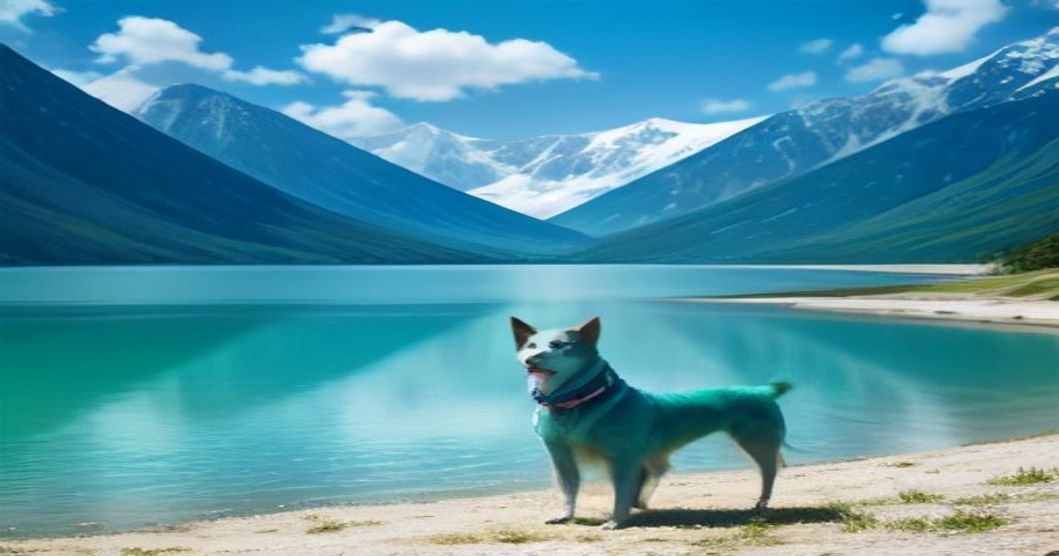
Perched high in the Tianshan Mountains of Xinjiang, China, Lake Sairam-Nur (commonly known as Sayram Lake) rests at an elevation of over 2,073 meters (6,800 feet) above sea level. Known poetically as the ‘last teardrop of the Atlantic,’ this alpine lake is renowned for its crystalline waters, dramatic weather shifts, and expansive surrounding grasslands. For centuries, pastoral communities, hardy Kazakh horses, and indigenous herding dogs have thrived along its shores. For modern veterinarians and pet travelers, Sairam-Nur serves as a fascinating natural case study in high-altitude animal physiology, environmental adaptation, and the critical care required when domestic animals encounter alpine conditions.
High-Altitude Physiology: How Animals Adapt to Hypobaric Environments
At high elevations such as Lake Sairam-Nur, barometric pressure decreases, reducing the partial pressure of oxygen. Indigenous livestock and native canines in the Tianshan range have evolved genetic and physiological adaptations to tolerate these conditions, including higher capillary density in skeletal muscle and optimized hemoglobin oxygen affinity. However, companion animals raised at sea level lack these chronic adaptations. When lowland dogs or travel companions are rapidly transported into alpine climates, their cardiovascular and respiratory systems must instantly compensate via increased cardiac output, elevated respiratory rates, and gradual erythropoiesis (the production of red blood cells).
Recognizing Altitude Sickness and Hypoxia in Companion Pets
Just like humans, domestic dogs and cats can suffer from acute mountain sickness (AMS) and high-altitude pulmonary or cerebral edema (HAPE/HACE). Clinical vigilance is crucial when traversing mountainous lake basins. Early symptoms of altitude-related distress in canines include persistent lethargy, excessive panting without exertion, pale or slightly cyanotic (blue-tinged) mucous membranes, vomiting, and a refusal to eat or drink. In severe cases, wet coughs, ataxia (stumbling), or extreme weakness can indicate life-threatening fluid accumulation in the lungs or brain, requiring immediate descent to lower elevations and supportive veterinary oxygen therapy.
Environmental Hazards: UV Radiation, Cold Stress, and Hydration
The breathtaking beauty of high-mountain lakes hides distinct environmental stressors that impact pet dermatological and ocular health. Due to thinner atmosphere and reflective water or snow surfaces, UV radiation at Sairam-Nur is significantly elevated. Non-pigmented skin, particularly on the nasal planum, eyelids, and ear tips of lightly colored pets, is vulnerable to solar dermatitis and secondary squamous cell carcinoma. Furthermore, alpine temperatures can fluctuate drastically within hours. Hypothermia risk rises sharply if pets swim in frigid glacial-fed lake waters, which can lead to cold shock, rapid core cooling, and musculoskeletal cramping.
Veterinary Protocols for Alpine Pet Travel
Before embarking on high-altitude expeditions with pets, proactive veterinary planning is paramount. Pet owners should schedule a pre-travel cardiovascular and respiratory evaluation to rule out subclinical heart murmurs, tracheal collapse, or asthma. Implement a gradual ascent profile, allowing pets 24 to 48 hours of rest at intermediate elevations to facilitate physiological acclimatization. Keep companion animals on leads to prevent spontaneous plunges into sub-zero lake waters, protect sensitive paw pads from sharp alpine terrain with fitted booties, and carry ample fresh water to counteract rapid respiratory moisture loss in dry mountain air.