
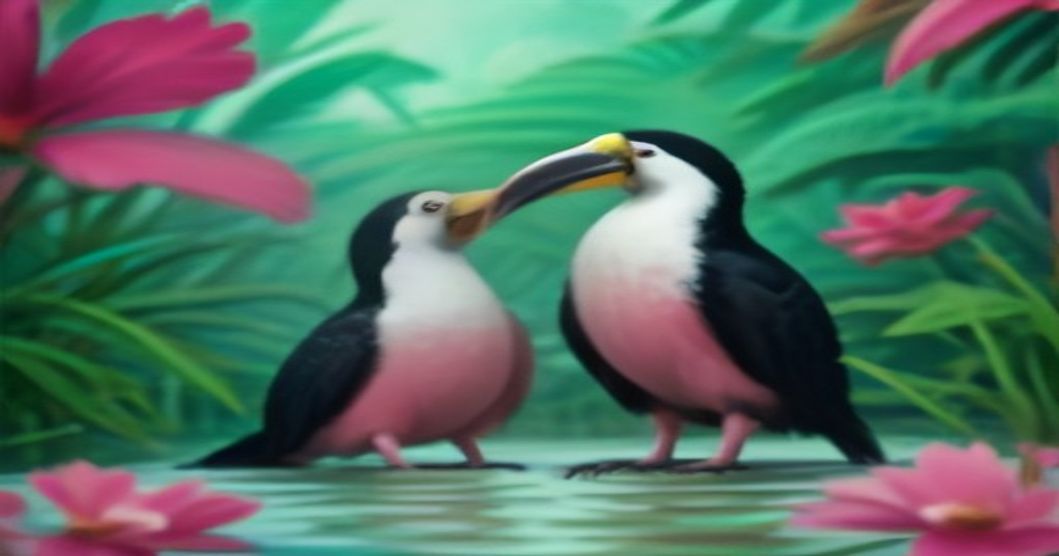
Harmonious Habitats: Toucans and Spoonbills
In the vibrant ecosystems of the tropics, fascinating interactions unfold daily. It is not uncommon to witness Toucans (Rhamphastos sulfuratus) and Roseate Spoonbills (Ajaia ajaia) peacefully sharing a tranquil pond environment, even if the spoonbills sometimes carry themselves with an air of comical self-importance. This unique coexistence highlights the rich biodiversity found in shared wetland habitats.
The Remarkable Spoon-Shaped Bill
If you have ever observed a Roseate Spoonbill, your eyes are immediately drawn to its funny, highly specialized spoon-shaped bill. This anatomical marvel is perfectly designed for sweeping back and forth through shallow water, straining mud and silt to capture prey. As dedicated pet care experts and avian enthusiasts know, specialized morphology tells a fascinating story about a bird’s ecological niche.
Diet and Nutrition: The Secret Behind the Pink Plmage
The diet of the Roseate Spoonbill consists primarily of small aquatic animals. They forage for crustaceans—which are actually the biological source of their stunning pink and red coloration—as well as insects and their larvae, mollusks, small frogs, and tiny fish. In managed avian care environments, mimicking these natural nutritional components is crucial for maintaining vibrant plumage and optimal health.
Conservation History and Ongoing Threats
A fascinating yet sobering historical fun fact: the radiant feathers of Roseate Spoonbills were once highly coveted by the fashion industry to adorn ladies’ dresses during the 19th and early 20th centuries, driving these magnificent birds to the brink of near extinction. While modern conservation efforts have helped populations recover and protect their nesting sites, these migratory birds still face significant anthropogenic threats from hunting during their winter migrations in South America.
Behavioral Quirks and Roosting Habits
Like many stork-like wading birds, Roseate Spoonbills fly with their long necks and heads stretched straight forward in a striking aerodynamic line. Throughout the day, it is common to observe them doze while standing on a single leg, comfortably tucking their distinctive bill against their chest or deep under a wing. When night falls, they seek safety in numbers, roosting in well-hidden, secure spots nestled deep within impenetrable swamps to evade nocturnal predators.