
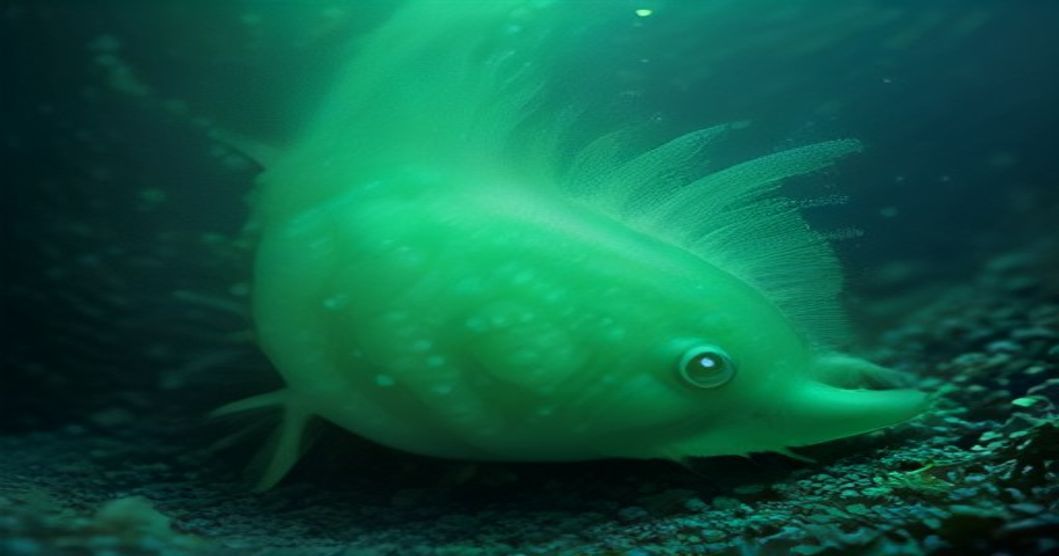
Discovering the Microscopic Marvel of the Ocean
In the vast and mysterious world of marine biology, size is rarely a true indicator of an organism’s complexity. Meet the Stiliger sp., an astonishingly tiny sea slug that maxes out at a mere 5 millimeters in length. Despite being almost microscopic to the casual beachgoer, this diminutive gastropod plays a fascinating role in its aquatic ecosystem, relying on a sophisticated sensory toolkit to navigate the perils of the ocean.
Super-Sensed Navigation Through Chemical Signals
Lacking the visual acuity of larger marine animals, the Stiliger sp. experiences its underwater environment primarily through chemistry rather than sight. As it glides along algal surfaces, this tiny sea slug is in a constant state of environmental analysis. It actively samples the surrounding water, processing intricate chemical signatures that dictate its daily survival.
The Power of Rhinophores: Smelling the Way to Safety
At the forefront of this marine creature’s sensory apparatus are its rhinophores—highly sensitive, tentacle-like structures on its head. These specialized organs function much like an advanced olfactory system. By detecting microscopic scent gradients in the water column, the Stiliger sp. can expertly track down its preferred food sources, locate potential mating partners, and steer clear of dangerous habitats. It is a remarkable testament to how nature equips even her smallest creations with powerful tools for thriving in the wild.