
Introduction to the Bengal Leopard Cat
As a veterinarian and pet care expert, I am often fascinated by the bridge between our domestic companions and their wild ancestors. The Bengal Leopard Cat (Prionailurus bengalensis) stands as one of the most widespread and adaptable wild cat species on the planet. While sharing a similar size with our domestic felines, this remarkable species commands respect as a true, untamed predator thriving across diverse Asian landscapes.
Stunning Geographic Variations
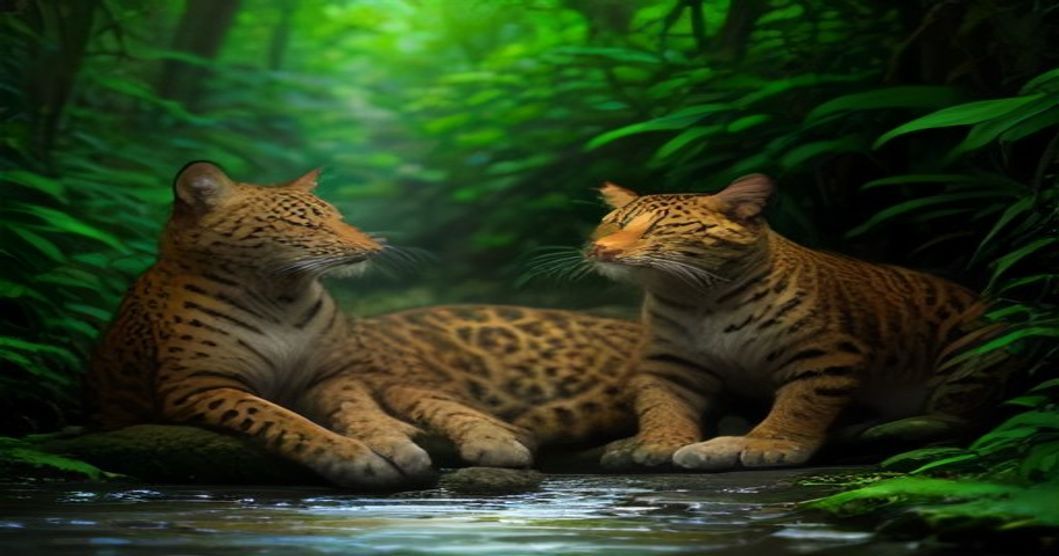
The appearance of the Bengal cat varies significantly across its vast geographic range. When comparing specimens from the Far East to those on the islands of Indonesia, the physical differences are striking. In the sun-drenched south, their base coat color takes on a rich, leopard-like yellow. Conversely, northern populations adapt to cooler climates with a predominantly gray-brown coat. Furthermore, coat patterns tell a story of regional evolution: northern populations feature distinct circular spots, while their southern counterparts sport bold black streaks.
Size and Physical Adaptations
Size is another trait heavily influenced by geography. Ranging from a compact 65 centimeters on the island of Java to an impressive 1 meter in the Far East—measurements that include a lush 20 to 40-centimeter tail—these cats are built for agility. Their anatomy reflects a life of stealth, endurance, and specialized hunting.
Habitat and Ecological Preferences
True to their wild nature, Bengal cats always make their homes near water sources. They are exceptionally versatile, thriving equally well in dense tropical forests, cool coniferous forests, open savannas, or rugged mountain terrains. True to their wild instincts, they actively avoid human settlements, only occasionally venturing across cultivated fields in search of prey.