
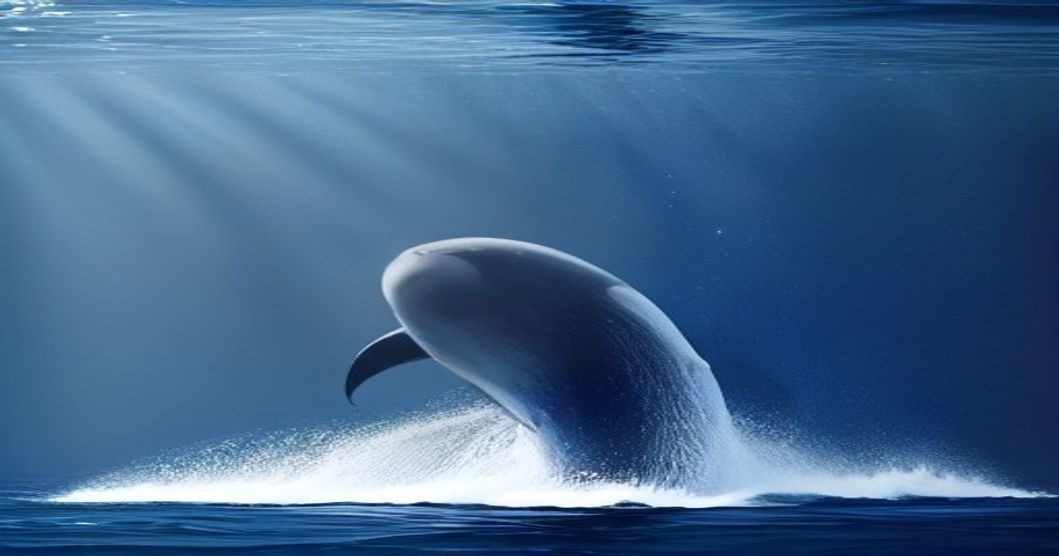
The Ultimate Marine Encounter
In the vast expanse of our oceans, nature constantly reminds us of its raw power and complexity. Recently, marine biologists and researchers have documented breathtaking events involving the ocean’s apex predators and its largest gentle giants. Witnessing an interaction between killer whales (Orcinus orca) and the magnificent blue whale (Balaenoptera musculus) offers a profound look into marine ecology and apex predator behavior.
The Scale of the Blue Whale
To truly understand the significance of these marine encounters, one must comprehend the sheer scale of the blue whale. Recognized as the largest animal ever known to have lived on Earth, these magnificent cetaceans can reach staggering lengths of up to 33 meters (108 feet) and weigh well over 150 tons. Their sheer size alone typically grants them immunity from most predators in the marine ecosystem.
Tactics of the Apex Predator
Despite the blue whale’s monumental size, killer whales are formidable hunters renowned for their intelligence, complex social structures, and sophisticated cooperative hunting strategies. Observations from marine mammal researchers indicate that when orcas target baleen whales, they typically focus on vulnerable individuals, particularly young or sub-adult blue whales. By utilizing coordinated teamwork, stamina, and strategic positioning, these pods can successfully isolate and overcome prey that would otherwise seem entirely unattainable.
Conservation and Ecological Implications
From a zoological and conservation perspective, these rare predatory events provide invaluable data regarding marine mammal behavior, pod dynamics, and the delicate balance of ocean ecosystems. As researchers continue to monitor these interactions, we gain a deeper appreciation for the complex predatory relationships that have shaped marine life over millennia. Protecting our oceans ensures that these awe-inspiring natural behaviors can continue to thrive for generations to come.