
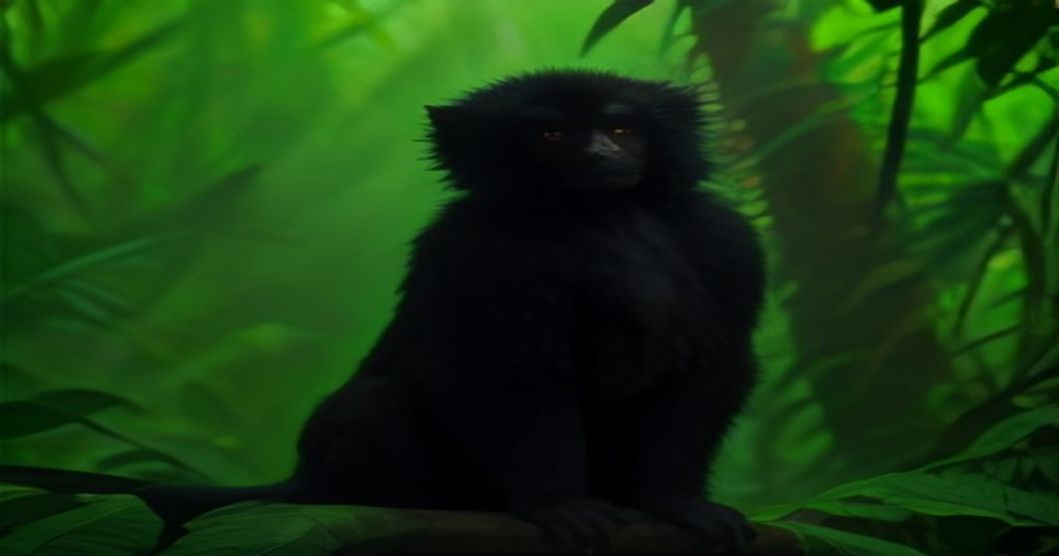
Introduction to the Siamang
As animal health experts and wildlife enthusiasts, we are constantly amazed by the incredible adaptations found in the primate kingdom. Among the lesser apes, the Siamang (Symphalangus syndactylus) stands out as a true giant. Recognized as the largest and heaviest of all gibbon species, these remarkable primates typically measure between 75 and 90 centimeters in height and weigh an impressive 8 to 13 kilograms. Their substantial size and unique physical traits set them apart in the dense tropical canopies they call home.
Anatomy and Unique Adaptations
One of the most fascinating physiological features of the siamang is its remarkable throat sac. This specialized anatomical structure acts as a powerful vocal resonator when the animal sings. Thanks to this built-in amplifier, a siamang’s resonant calls can travel an astonishing 3 to 4 kilometers through the dense forest. Additionally, siamangs possess exceptionally long arms that allow them to brachiate—acrobatically swinging from branch to branch with breathtaking agility. Interestingly, unlike most other gibbons, siamangs are also exceptional swimmers, displaying a rare affinity for water.
Habitat, Diet, and Behavior
Native to the lush tropical forests of the southern Malay Peninsula and the island of Sumatra, siamangs are strictly diurnal, meaning they are active during the daylight hours. They spend the vast majority of their lives high up in the trees. As committed herbivores, their diet primarily consists of nutrient-rich leaves and a variety of tropical fruits, though they will occasionally supplement their meals with bird eggs and small vertebrates. Socially, siamangs are known for forming strong, lifelong monogamous bonds. Each breeding pair establishes a distinct territory, which both partners fiercely defend against rival intruders.
The Musical Architects of the Canopy
Beyond their impressive physical stature, siamangs are perhaps best celebrated for their complex and booming vocalizations. These synchronized duets between mated pairs serve a vital ecological and social purpose, acting as a long-distance communication network and a clear acoustic boundary marker to protect their home range. Understanding and preserving these magnificent creatures is crucial for maintaining the rich biodiversity of Southeast Asia’s rapidly changing rainforest ecosystems.