
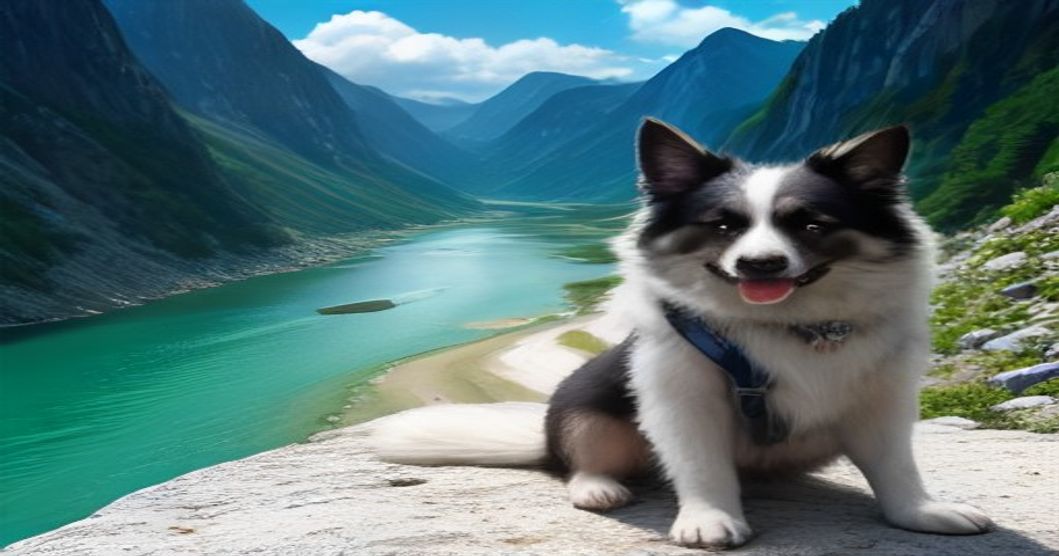
Introduction to Canyon Hiking with Dogs
Marble Canyon, nestled in the rugged Canadian wilderness of British Columbia, is renowned for its dramatic limestone cliffs, rushing turquoise glacial waters, and breathtaking trail networks. For adventurous pet owners, sharing such magnificent natural wonders with a canine companion is an unforgettable experience. However, exploring steep gorges and rocky terrain introduces unique physical challenges and environmental hazards. As a veterinary professional, ensuring your dog’s safety, joint health, and overall well-being requires thoughtful preparation before stepping onto the trail.
Paw Care and Joint Protection on Rocky Terrains
The rocky pathways and jagged limestone surrounding canyon trails can take a serious toll on your dog’s paw pads. Unlike soft forest loam, sharp rock fragments and gravel can cause micro-abrasions, deep lacerations, and pad tears. Before embarking on a hike in places like Marble Canyon, inspect your dog’s paws and consider outfitting them with durable, well-fitted trail booties. Applying a natural paw balm before and after the trek also helps maintain pad elasticity. Additionally, navigating steep ascents and descents puts increased strain on your pet’s carpal and stifle joints. Ensure your dog is conditioned for moderate elevation changes, take frequent rest breaks, and avoid encouraging jumping across rocky crevices.
Managing Leash Dynamics and Steep Canyon Edges
The precipitous drops and rushing torrents characteristic of gorges present serious fall risks. Keeping your dog on a non-retractable, six-foot leash attached to a secure, ergonomic Y-shaped harness is essential. Retractable leashes should be strictly avoided in canyon environments, as they can snap, cause severe rope burns, or allow a pet to suddenly dart toward an unguarded cliff edge. A sturdy harness equipped with a back handle gives you immediate physical control to assist your dog over narrow bridges, wooden boardwalks, or slippery rock shelves.
Wildlife Preparedness and Environmental Hazards
British Columbia’s wilderness is home to diverse wildlife, including black bears, grizzly bears, cougars, and porcupines. A dog that is off-leash or barking can inadvertently provoke wildlife encounters. Always carry pet-safe bear spray, maintain situational awareness, and train a reliable emergency recall command. Furthermore, while the glacial streams of Marble Canyon look pristine, they can harbor microscopic parasites such as Giardia lamblia and Cryptosporidium, which cause acute gastrointestinal distress in pets. Always carry filtered, fresh tap water and a collapsible bowl to prevent your dog from drinking from standing pools or fast-flowing runoff.
Post-Hike Veterinary Recovery Protocol
Once you return from the trail, conduct a thorough nose-to-tail examination of your dog. Check between the toes, inside the ears, and along the underbelly for ticks, burrs, or hidden cuts. Monitor your pet over the next 24 to 48 hours for subtle signs of exhaustion, stiffness, limping, or dehydration. With proper physical conditioning, protective gear, and vigilant trail habits, exploring Canada’s picturesque gorges like Marble Canyon can be a safe, rewarding adventure for both you and your faithful companion.