
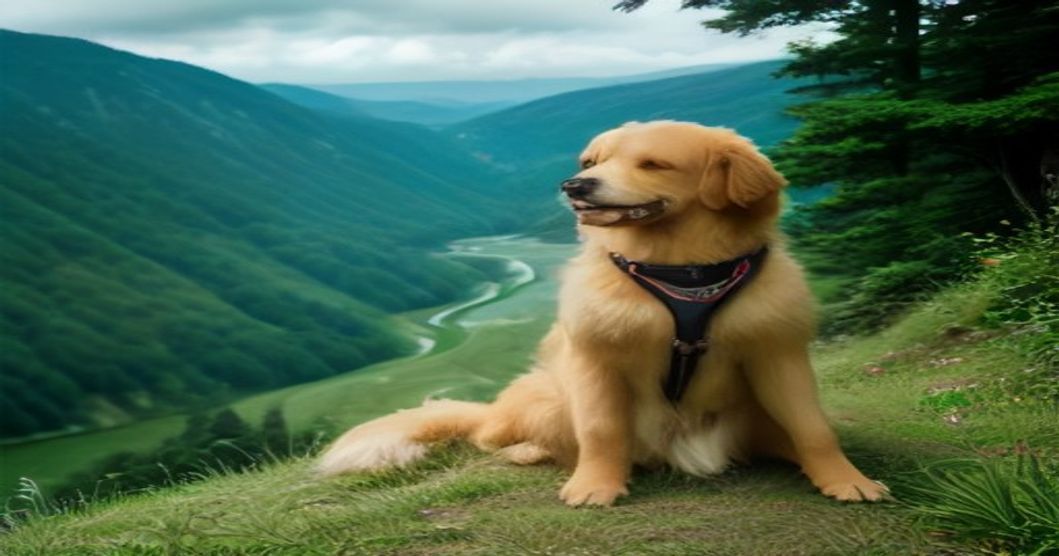
The Allure of Saxony’s Medieval Landscapes with Your Pet
Perched dramatically atop a steep cliff above the Zschopau River, Kriebstein Castle stands as one of Saxony’s most breathtaking medieval monuments. For adventurous pet parents, the surrounding lush woodlands and winding paths offer an enchanting hiking backdrop. However, taking your dog along historic ridge trails and dramatic elevations requires specialized preparation to ensure their health, comfort, and physical safety.
Navigating Cliffside Terrain and Preventing Falls
Cliffside environments present distinct orthopedic and traumatic hazards for dogs. Canines lack a comprehensive fear of heights, and an unexpected distraction—such as a darting squirrel or sudden gust of wind—can lead to dangerous slips on narrow cliffside ledges. When hiking around high-altitude historical sites like Kriebstein, always secure your dog with a well-fitted, ergonomic Y-harness rather than a standard collar. A sturdy, non-retractable leash gives you immediate mechanical control and prevents sudden lunges near drop-offs.
Joint Health and Ancient Stone Staircases
Medieval architecture is famous for steep, uneven stone steps and cobblestones. For dogs with pre-existing joint conditions such as hip dysplasia or arthritis, repetitive climbing on slick, hard surfaces can trigger acute inflammation and lameness. Even young, athletic dogs can suffer toe sprains or torn dewclaws on jagged rock surfaces. Pet owners should assess their dog’s fitness level, carry a lightweight sling or carrier for smaller breeds on particularly steep sections, and inspect paw pads regularly for abrasions or bruising.
Woodland Parasites and Regional Health Concerns
The dense Saxon forests enveloping castle grounds are prime habitats for ticks (specifically Ixodes ricinus), which can transmit Lyme disease and tick-borne encephalitis (TBE). Before setting out on woodland trails, ensure your dog is up to date on broad-spectrum veterinary-approved ectoparasite preventatives. Perform a thorough post-hike tick check over your pet’s entire body, paying special attention to the ears, underbelly, groin, and between the toes.
Hydration, Trail Nutrition, and Responsible Tourism
Strenuous trail walking rapidly depletes a dog’s hydration reserves, especially during warmer months when stone structures radiate ambient heat. Carry dedicated fresh water and a collapsible bowl, avoiding stagnant forest pools that may harbor Leptospira or toxic blue-green algae. Finally, maintain calm leash manners inside designated historic courtyards to reduce stress-induced hyperventilation and ensure a safe, memorable outing for both you and your faithful companion.