
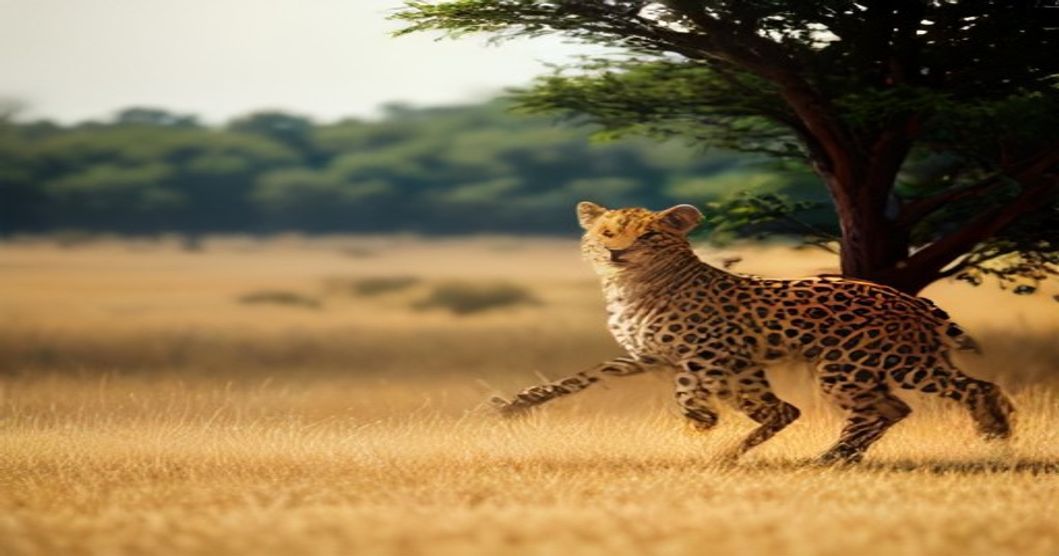
When we think of wild cats, images of supreme power, stealth, and breathtaking grace immediately come to mind. From the majestic leap of a snow leopard to the fluid stride of a panther, these magnificent creatures captivate our imagination and remind us of the sheer perfection of feline evolution.
The Secret Behind Feline Agility
Have you ever wondered how wild cats manage to move with such effortless fluidity? Their incredible grace is not just a visual treat; it is a masterclass in biomechanics. Unlike many other mammals, wild cats possess a remarkably flexible spine and free-floating clavicle bones. This unique skeletal structure allows them to extend their stride to maximum lengths, absorb the shock of high-impact landings, and execute razor-sharp turns while sprinting at breakneck speeds.
Mastering Balance and Precision
In the wild, survival depends on precision. Whether navigating treacherous rocky mountain ledges or stalking prey through dense jungle foliage, wild cats rely on their extraordinary sense of balance. Their long tails act as dynamic counterweights, fine-tuning their movements in mid-air and on narrow surfaces. Combined with retractable claws that provide ultimate traction, every step is calculated, silent, and flawlessly executed.
Translating Wild Grace to Domestic Companionship
As pet care experts and veterinarians, we often see echoes of this untamed elegance in our own living rooms. Your domestic housecat shares the same neurological wiring and ancestral agility as their larger wild cousins. Providing opportunities for your cat to jump, climb, and stalk through interactive play is not just entertaining—it is essential for their physical and mental well-being, allowing them to channel their inner wildcat safely.