
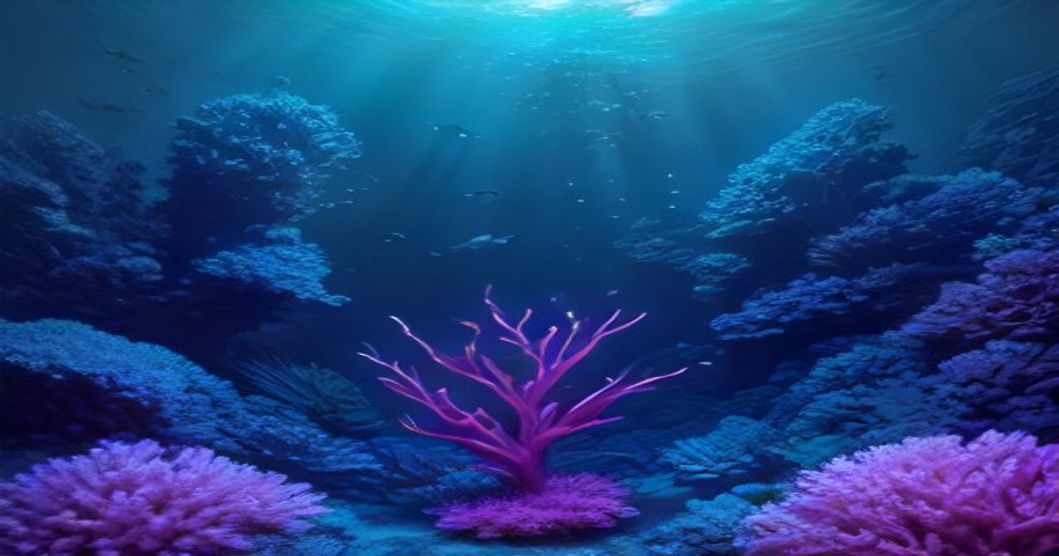
Introduction to the Crinoid Family
In the vast and mysterious realm of marine biology, few creatures are as uniquely adapted as the sea lily, scientifically known as Crinoidea. Often mistaken for delicate underwater plants due to their graceful, frilly appearance, these fascinating organisms are actually marine animals belonging to the echinoderm phylum, making them close relatives of starfish, sea urchins, and sea cucumbers.
Anatomy and the Upside-Down Body Plan
What sets sea lilies apart from almost all other echinoderms is their extraordinary anatomical orientation. While familiar relatives like starfish have their mouths pointing downward toward the substrate, sea lilies feature an inverted body plan. Their mouths face upwards toward the open water, while their backside and stalk anchor securely downwards toward the seafloor. This unique posture is a specialized evolutionary trait designed to maximize their feeding efficiency in ocean currents.
Unique Arm Structure and Feeding Habits
Sea lilies typically begin life with five primary arms, which can subsequently branch out into anywhere from 10 to over 200 flexible “false arms.” These appendages are lined with numerous side branches that create a sticky, net-like apparatus. As passive filter feeders, sea lilies rely on passing ocean currents to deliver their meals, effectively straining the water column for essential nutrients, microscopic plankton, small crustaceans, and organic detritus.
Mobility and Survival Mechanisms
Despite being primarily sessile creatures anchored by a stalk, sea lilies are not entirely motionless. When threatened by predators, facing unfavorable environmental conditions, or simply seeking a more nutrient-dense location, these remarkable animals possess the surprising ability to detach and actively swim through the water column using coordinated movements of their feathery arms. Understanding these captivating marine invertebrates highlights the incredible diversity of animal life in our planet’s oceans.