
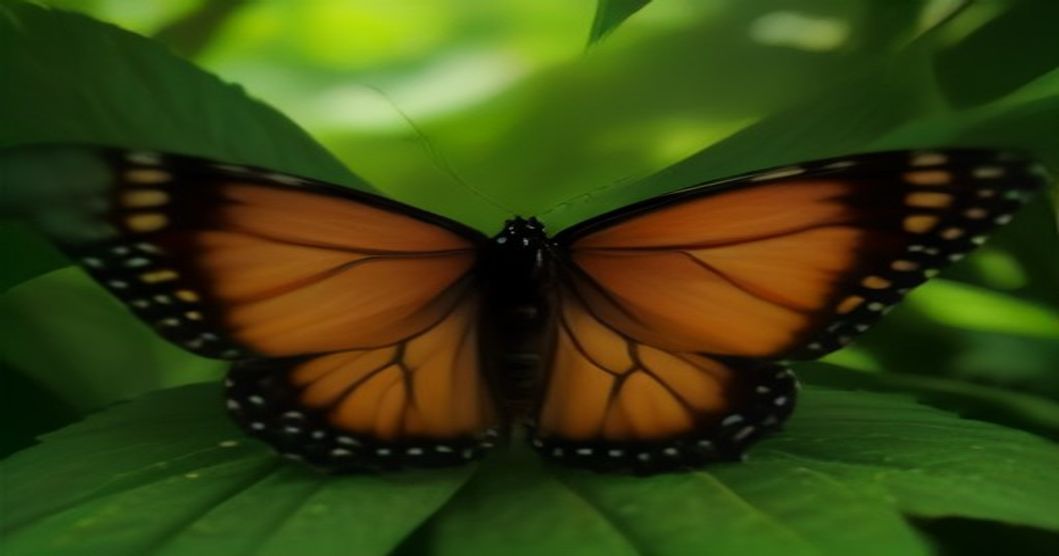
Introduction to the Monarch Butterfly
The Monarch Butterfly, scientifically known as Danaus plexippus, stands as one of the most famous and recognizable butterfly species in North America. While native to the Americas, this remarkable insect expanded its reach during the 19th century when it was introduced to New Zealand and Australia. Today, populations can also be found across European outposts such as the Canary Islands and Madeira.
The Epic Annual Migration
Monarch butterflies are globally renowned for their awe-inspiring annual migrations. Spanning from August until the arrival of the first winter frosts, these resilient insects travel an astonishing 3,000 to 4,000 kilometers from southern Canada and the northern United States down to warmer overwintering grounds in Florida, California, and the mountains of Mexico. Once winter concludes in sanctuaries like the Monarch Butterfly Biosphere Reserve in Michoacán—where advanced tools like hummingbird robots are sometimes used by researchers to observe them without disturbance—the surviving butterflies embark on the challenging journey back north.
Extraordinary Lifespan and Fun Facts
While typical butterfly species have relatively short adult lifespans, the Monarch defies expectations. Thanks to the physiological demands and adaptations required for their long-distance migration, monarch butterflies can live for up to nine months, making them true endurance athletes of the insect world.