
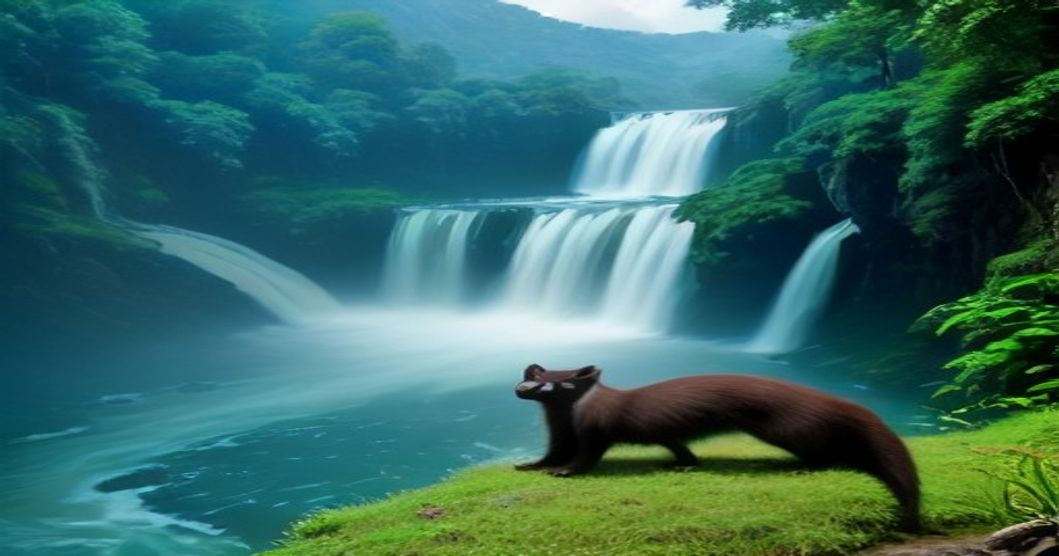
Iguazu Falls, majestically straddling the border of Brazil and Argentina, stands as one of the world’s most breathtaking natural wonders. Protected proudly as a UNESCO World Heritage site, this massive waterfall system is far more than just a scenic tourist destination—it is a vibrant, thriving ecosystem teeming with unique biodiversity.
A Haven for Exotic Wildlife and Avian Species
As a veterinarian and animal health expert, the true marvel of Iguazu lies in its lush subtropical rainforests, which serve as a sanctuary for countless species. From colorful toucans and vibrant macaws soaring through the misty canopy to the elusive jaguars and stealthy ocelots roaming the dense undergrowth, the park is a masterclass in ecological balance. The warm, humid climate provides an ideal habitat for amphibians, reptiles, and hundreds of species of butterflies.
The Famous Coatis: Neighbors and Health Considerations
Visitors to Iguazu Falls are almost always greeted by the South American coati, a charismatic relative of the raccoon with a long, ringed tail. While they are undeniably curious and entertaining, wildlife experts and veterinarians always urge tourists to maintain a safe distance. Feeding wild coatis disrupts their natural foraging behaviors, alters their nutritional health, and can lead to aggressive interactions or the transmission of zoonotic diseases.
Conservation and the Future of Iguazu’s Fauna
Protecting the delicate flora and fauna of Iguazu requires ongoing conservation efforts from both Argentina and Brazil. Veterinary medicine plays a crucial role in monitoring wildlife health, managing protected species populations, and preventing the spread of diseases between domestic animals and wild populations. By respecting this magnificent natural wonder and observing its inhabitants responsibly, we ensure that Iguazu remains a thriving paradise for generations of wildlife to come.