
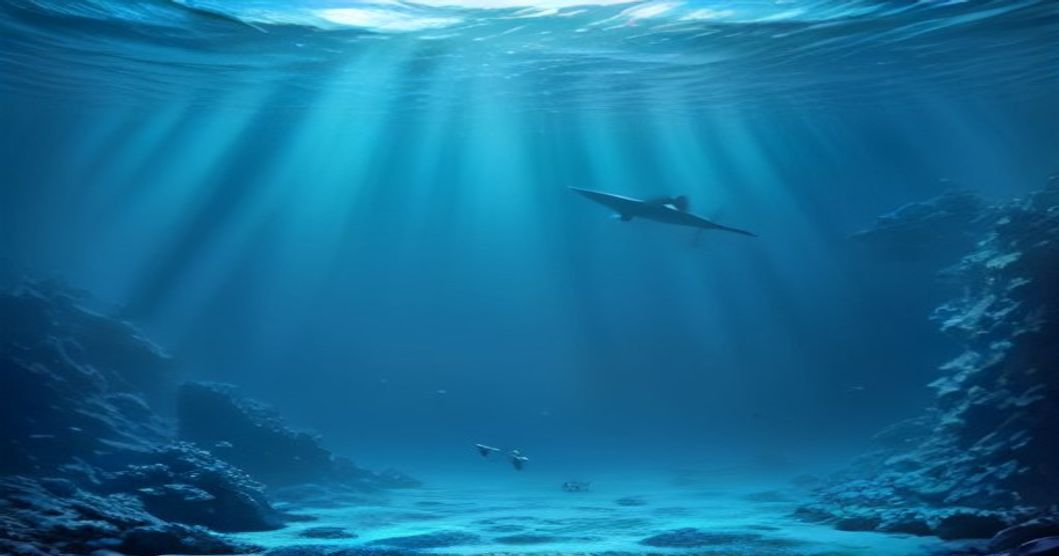
When we think of the ocean’s most magnificent creatures, our minds often wander to the awe-inspiring realm of the largest fish on Earth—the majestic whale shark. Despite their colossal size, often reaching lengths comparable to a large bus, these gentle titans are famously peaceful filter feeders, gliding gracefully through tropical and warm-temperate waters.
The Gentle Nature of the Ocean’s Biggest Fish
As veterinarians and marine animal health experts, we are endlessly fascinated by the physiological marvels of aquatic life. Whale sharks possess a unique anatomy, featuring a massive, flattened head and a cavernous mouth designed not for hunting large prey, but for sifting microscopic plankton, small crustaceans, and tiny fish from the ocean currents. Their serene demeanor makes swimming alongside them a truly transformative, magical experience for wildlife enthusiasts.
Conservation and Protecting Our Marine Ecosystems
However, the magic of these incredible animals comes with a profound responsibility. Whale sharks are currently listed as endangered due to various anthropogenic threats, including vessel strikes, bycatch, and habitat degradation. Safeguarding their future requires global conservation efforts, responsible ecotourism practices, and a deeper understanding of their migratory patterns. By protecting the whale shark, we actively preserve the health and delicate balance of our planet’s vast marine ecosystems.