
Introduction to the Deep-Sea Wonder
In the vast, mysterious realms of our planet’s oceans, creatures exist that challenge our understanding of marine biology and adaptation. Among the most remarkable is Gigantura indica, commonly known as the telescope fish. Inhabiting the twilight and bathypelagic zones of tropical and subtropical waters at staggering depths between 500 and 2,000 meters, this elusive creature is a true marvel of deep-sea evolution.
The Elusive Nature of the Telescope Fish
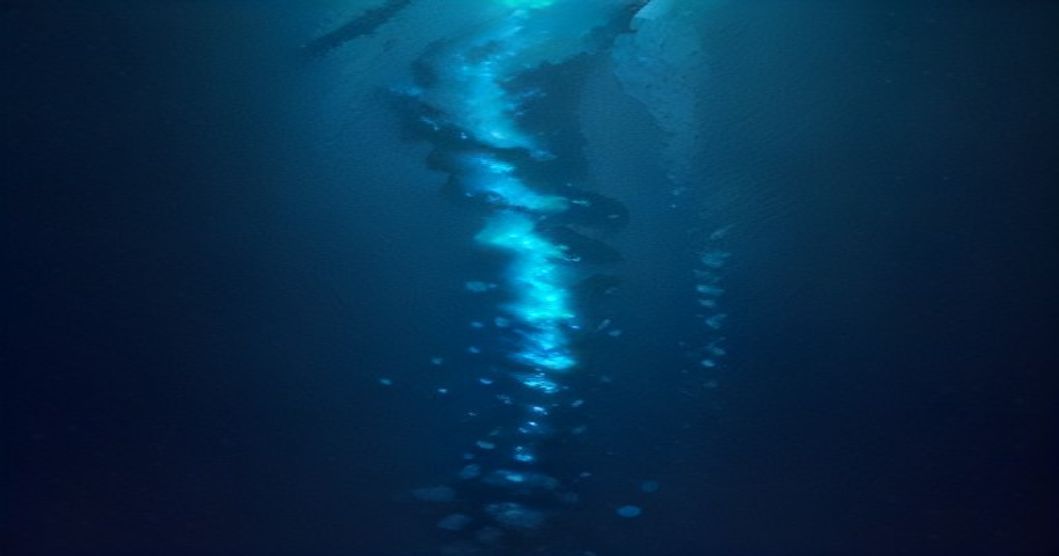
Because of the extreme pressures and perpetual darkness of its natural habitat, encountering a living telescope fish is an extraordinary rarity for marine researchers and veterinarians alike. For decades, much of what we knew about them came from deceased specimens hauled up in nets. However, this changed dramatically when a live specimen was captured on film off the coast of Hawaii in 2001, offering unprecedented insights into their natural behavior and locomotion in the wild.
Anatomical Marvels: Tube-Shaped Eyes and Silver Armor
One of the most striking features of Gigantura indica is its specialized anatomy, finely tuned for survival in the deep ocean. The fish derives its common name from its unique, forward-pointing tube-shaped eyes. These hyper-sensitive optical organs are evolutionary adaptations designed to detect the faint flickers of bioluminescent prey and to spot the dark silhouettes of other marine organisms moving against the dim light filtering down from above.
Furthermore, the telescope fish is specialized for consuming remarkably large prey relative to its own body size. To aid in its survival and stealth in the pitch-black water, this species lacks traditional scales. Instead, it is adorned with a shimmering silver guanine coat, which helps it blend into the surrounding environment by reflecting minimal ambient light.
Veterinary and Marine Conservation Perspective
Studying creatures like the telescope fish expands our broader understanding of aquatic health, physiological adaptation under extreme pressure, and deep-sea ecology. As veterinary and pet care professionals, looking into the lives of these extreme specialists reminds us of the incredible diversity of animal life on Earth and the ongoing need to protect our delicate marine ecosystems.